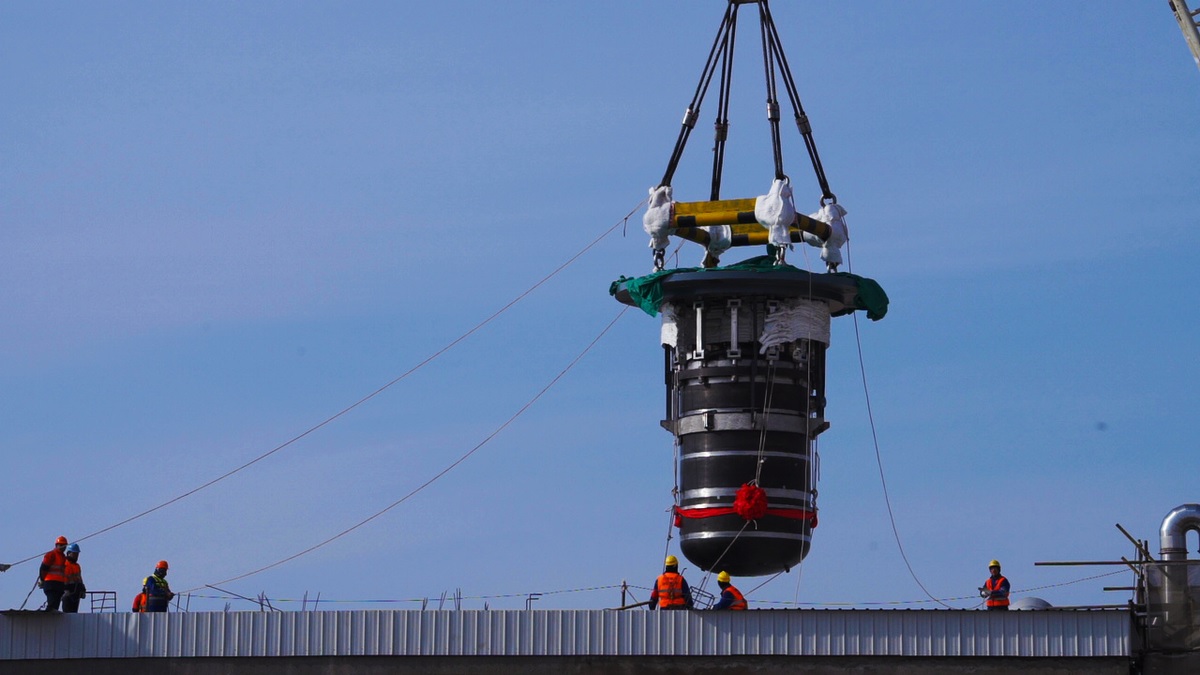
China
achieved the world’s first thorium to uranium nuclear fuel conversion in a 2 MW
thorium molten salt reactor (TMSR).The TMSR-LF1 uses fuel enriched to under 20%
uranium-235 and has a thorium inventory of about 50 kg with the conversion
ratio of about 0.1.They are fourth-generation advanced nuclear energy systems
that use high-temperature molten salt as a coolant. They boast inherent safety
features, cool without water, run at atmospheric pressure, and deliver a
high-temperature output.
Key Advantages
¨ Higher
Efficiency: Liquid fuel in molten salt form enables continuous circulation and
on-the-fly refuelling without reactor shutdowns, improving fuel utilisation.
The reactor can extract up to 90% of energy from thorium fuel.
Reduced Waste and Proliferation Risk
¨ Thorium
fuel cycles produce significantly less long-lived radioactive waste and are
less suitable for weaponization, enhancing environmental and geopolitical
safety.
¨
The technology supports carbon-neutral
power generation with minimal radioactive footprint.
¨
Water-Free Cooling: Usage of molten salt
coolant removes the dependency on water, making these reactors suitable for
arid regions and reducing risk of coolant loss accidents.
¨ Enhanced
Safety: TMSRs operate at atmospheric pressure, eliminating risks of
high-pressure explosions associated with traditional reactors. Passive safety
features allow automatic shutdown if overheating occurs.
Challenges
¨ Technical
Complexity: Molten salt reactor technology and thorium fuel cycles are complex,
with challenges in materials durability under high temperatures and radiation.
¨
Coolant Cycle Management: Although waste is
reduced, handling and reprocessing of molten salt coolant require advanced
technologies.
¨
High Initial Costs: Developing
demonstration and commercial reactors involves significant investment and
engineering efforts.
¨
Regulatory and Safety Framework: Establishing
robust safety standards and regulatory mechanisms for new reactor types remains
an ongoing process.
¨ Scale-up
Risks: Demonstrating commercial viability at larger scale reactors by 2035
demands overcoming technological and financial risks.
 Bill, 2026.jpg)