International Day of Women and Girls in Science: Complete Guide for Competitive Exams
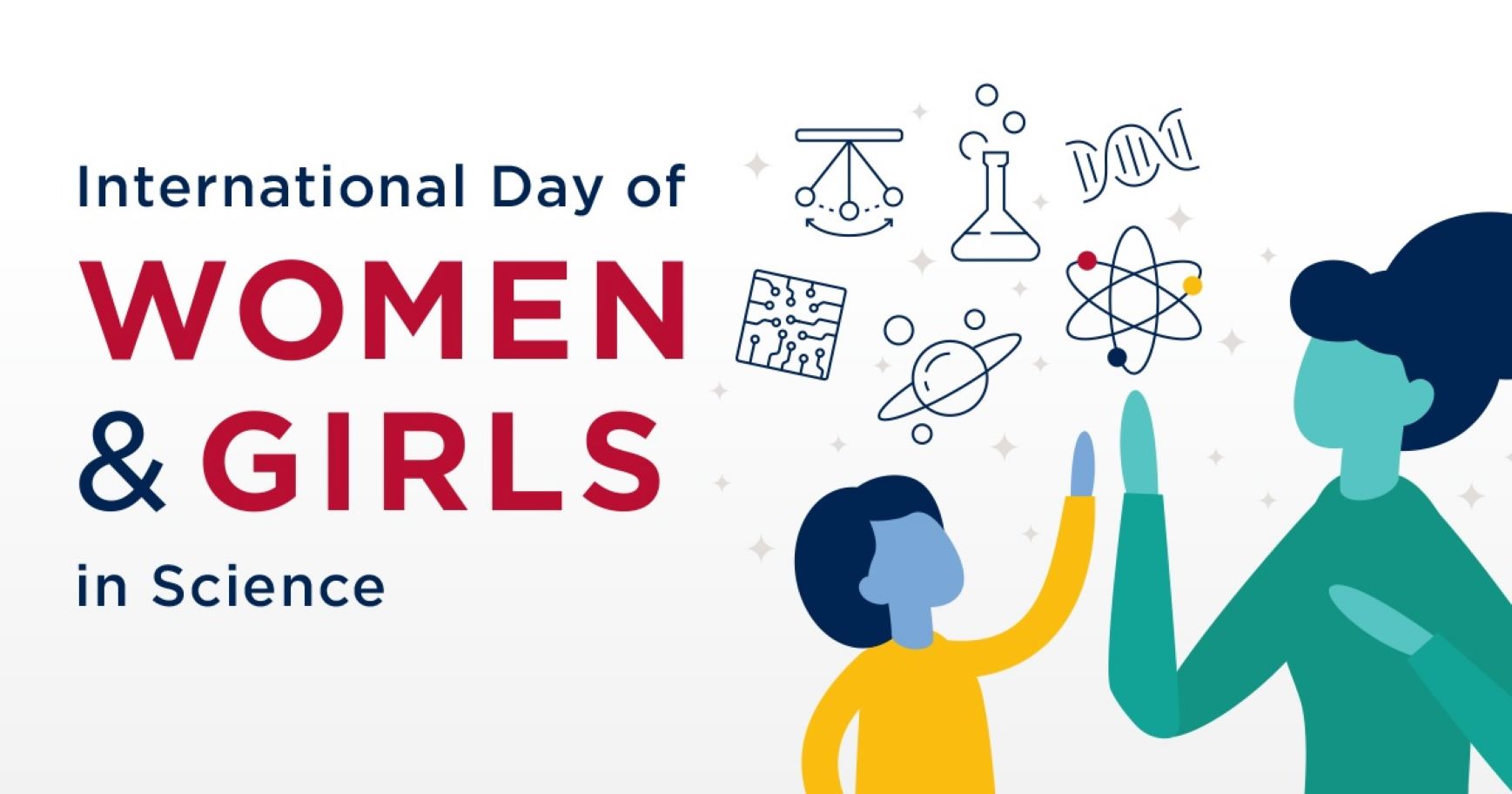
The International Day of Women and Girls in Science is observed every year on February 11 across the globe. This important international observance highlights the vital role played by women and girls in scientific and technological advancement and promotes their equal participation in STEM (Science, Technology, Engineering, and Mathematics) fields. The day was officially established in 2015 by the United Nations to address gender disparities in science and to ensure inclusive and sustainable development worldwide.
Why is this Day Important?
Despite progress in education and employment, women remain underrepresented in many scientific fields. This day serves as a reminder that gender equality in STEM is essential for innovation, economic growth, and achieving the 2030 Sustainable Development Goals (SDGs). It also celebrates the achievements of women scientists and encourages the next generation of girls to pursue careers in science and technology.
Key Objectives and Significance
- Recognizing Women in STEM: The day honors the contributions and achievements of women and girls in science, from research and innovation to technological advancements.
- Promoting Gender Equality: It emphasizes the need for equal opportunities in education, employment, and leadership within STEM fields, aligning with global development goals.
- Inspiring Young Girls: By showcasing successful female role models, the initiative motivates young girls to explore careers in science and break traditional stereotypes.
- Addressing Challenges: Women in STEM often face barriers such as gender bias, limited access to resources, and societal stereotypes. This day focuses on overcoming these challenges through awareness and policy initiatives.
Events and Activities
Every year, several international and national organizations organize events to mark the occasion. Prominent among them are:
- United Nations Educational, Scientific and Cultural Organization
- UN Women
These organizations collaborate with governments, universities, and private institutions to host:
- Conferences and panel discussions
- Workshops and mentorship programs
- Awareness campaigns promoting STEM careers
- Recognition ceremonies for women scientists
Key Facts for Competitive Exams
- Date Observed: February 11
- Established By: United Nations (2015)
- Focus Area: Gender equality in STEM
- Related Goals: Sustainable Development Goals (especially SDG 5 – Gender Equality)
- Important Organizations: UNESCO, UN Women
Conclusion
The International Day of Women and Girls in Science is not just a celebration but a global call to action. Ensuring equal participation of women in STEM is crucial for innovation, diversity, and sustainable development. For competitive exam aspirants, understanding this topic is important from both current affairs and social development perspectives.