¨
In a major economic policy shift, Turkmenistan has officially legalized
cryptocurrency mining and exchanges. Known for its tightly controlled economy
and isolation, the country is now cautiously opening its digital sector.
¨ The move is seen as part of broader efforts
to modernize governance and reduce dependence on natural gas exports while
still maintaining strict state oversight over financial activities.
¨
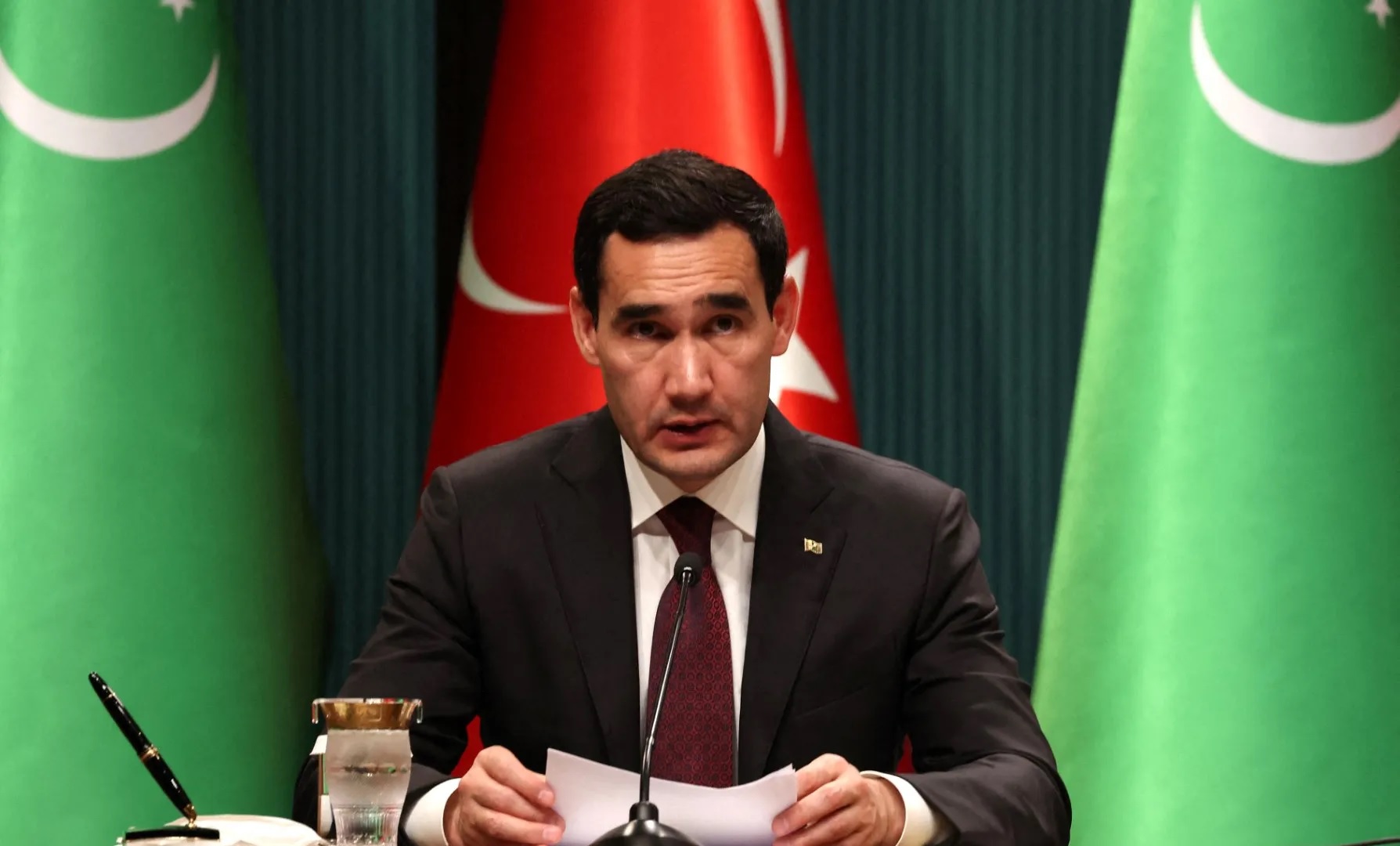
Turkmenistan has passed a new law legalizing cryptocurrency mining and
exchanges from January 2026. The legislation was signed by Serdar
Berdimuhamedov, marking a significant policy change in one of the world’s most
closed economies.
What Does
the New Crypto Law Provide?
¨
The new legislation brings virtual assets under civil law and introduces
a licensing system for cryptocurrency exchanges.
¨ These licenses will be regulated by the
country’s central bank, ensuring strong government oversight.
¨ However, cryptocurrencies will not be
recognized as legal tender, currency, or securities.
¨
This means digital assets can be mined and traded but cannot be used for
everyday payments, reflecting a cautious and controlled approach to financial
reform.
Why Is
This a Big Economic Shift?
¨
Turkmenistan’s economy is heavily dependent on natural gas exports,
making it vulnerable to global energy price changes.
¨ By legalizing crypto-related activities, the
government aims to diversify economic avenues and attract technological
investment.
¨ This step also signals limited economic
opening under President Berdimuhamedov, who has been in office since 2022.
¨
However, the state continues to tightly regulate digital and financial
activities.
Background
of Turkmenistan’s Economy
¨
A former Soviet republic, Turkmenistan gained independence in 1991 and
declared permanent neutrality in 1995.
¨ It holds the world’s fourth-largest natural
gas reserves and relies heavily on exports, mainly to China.
¨ Historically, the country maintained strict
visa rules, limited internet access, and controlled media.
¨
Recent steps like e-visas and digital reforms show cautious economic
modernisation without political liberalisation.