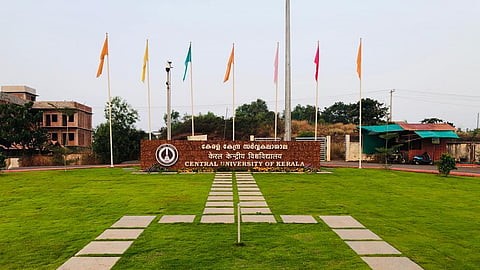
The University of
Kerala has launched a multi-year research project (2024–2028) in collaboration
with international researchers to study the mutualism of a rare cooperative
fish gathering between Indo-Pacific humpback dolphins and traditional/artisanal
fishermen in Kerala's Ashtamudi Lake.
Key Points
¨
Mechanism: Indo-Pacific humpback dolphins (Sousa plumbea) signal dense
schools of fish by flicking or swishing their tails, which helps fishermen cast
their nets at the right time to maximize catch, while scattered fish become
easy prey for the dolphins.
¨ Mutualism: This is a long-term relationship
between two species where both benefit—such as through food, protection,
pollination, seed dispersal, or shelter.
¨ Indo-Pacific humpback dolphins: Known for
their distinctive hump and long dorsal fin, they are found in shallow coastal
waters of Australia, Africa, and Asia.
¨ This group includes four species, including
S. teuzi and S. chinensis, listed under Appendix I and II of the Convention on
the Conservation of Migratory Species of Wild Animals (CMS).
¨
It is listed as Endangered by the IUCN.
Ashtamudi Lake
¨
Topic: Located in Kollam district, this is a Ramsar site, one of the
largest lakes in Kerala, considered the gateway to the backwaters.
¨ 'Ashtamudi' means 'Eight Braids' in
Malayalam, which refers to its unique eight-arm/eight-branched shape.
¨ Extent: The lake is fed by several rivers,
including the Kallada River, draining into the Arabian Sea and is surrounded by
mangroves, coconut trees, and dense greenery.
¨
Biodiversity: Bird species such as kingfishers, herons, egrets, and
cormorants are found in these wetlands. The Kallada River plays an important
role as a breeding ground for the Karimeen (Pearl Spot Fish).
 Bill, 2026.jpg)