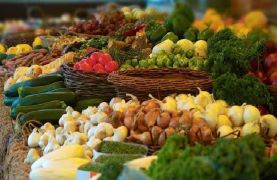
In February 2026, India's retail inflation
recorded an increase due to rising prices of food items and the high cost of
precious metals
India’s retail inflation increased in February 2026
due to rising food prices and higher costs of precious metals, even though the
overall inflation level remained below the central bank’s medium-term
target.The Ministry of Statistics and Programme Implementation released the
latest inflation data based on the Consumer Price Index for February
2026.Retail inflation increased to 3.21% in February 2026, marking the highest
level recorded in the last ten months.The inflation rate rose from 2.74% in
January 2026, which indicates a moderate increase in price pressures across
several consumption categories.The data has been released under the new CPI
series with base year 2024, which replaced the earlier series with base year
2012 and expanded the basket of items used to measure inflation.Economists
estimate that headline CPI inflation may increase to around 3.3 to 3.5% in
March 2026, depending on global commodity prices and domestic fuel
costs.Despite the recent increase, inflation continues to remain below the Reserve
Bank of India’s medium-term target of 4%, which indicates relatively stable
price conditions in the economy.
Key Drivers of Inflation Increase
¨
Rise in Food Inflation:
The year-on-year inflation in the Consumer Food Price Index increased to 3.47%
in February 2026 compared with 2.13% in January. The rise in food prices
contributed significantly to the increase in overall inflation.
¨
Increase in Tobacco and
Related Products: Inflation in the category of paan, tobacco and intoxicants
increased to about 3.6% in February, reflecting higher prices in these
consumption items.
¨
Housing Inflation: The
year-on-year housing inflation rate in February 2026 stood at 2.12%. The
inflation rates were 2.43% in rural areas and 2.00% in urban areas.
¨
Items with Low Inflation:
The items that recorded the lowest inflation at the all-India combined level in
February 2026 included garlic, onion, potato, arhar and litchi.
¨
Items with High
Inflation: The items that recorded the highest inflation during the month
included silver jewellery, gold and platinum jewellery, coconut copra, tomato
and cauliflower.
¨
Sharp Increase in
Precious Metal Prices: Inflation in the category of personal care, social
protection and miscellaneous goods and services remained extremely high due to
the sharp increase in the prices of precious metals such as gold and silver.
External Factors Influencing Inflation
¨
Impact of West Asia
Conflict: The ongoing tensions in West Asia have disrupted global fuel
supplies, which may increase prices in electricity, gas and other fuel-related
categories.
¨
Increase in LPG Cylinder
Prices: The increase in prices of domestic and commercial LPG cylinders in
early March is expected to exert upward pressure on inflation in categories
such as restaurant services and accommodation.
¨
Rupee Depreciation and
Global Uncertainty: The depreciation of the Indian currency, along with
uncertainty in global markets, has contributed to rising prices of commodities
such as gold and silver.
About Consumer Price Index (CPI)
¨
The CPI measures changes
in prices of goods and services consumed by households and serves as a key
indicator of cost-of-living inflation.
¨
The CPI is the Reserve
Bank of India’s primary inflation gauge and plays a central role in monetary
policy and interest rate decisions.
¨
The base year is the
reference point against which price changes are measured, with its index fixed
at 100.
¨
As household consumption
patterns evolve, the base year is periodically updated to ensure the index
remains representative.
¨
The earlier CPI series
(base 2012) had become outdated due to major structural shifts such as rising
incomes, urbanization, digitalization, expansion of services, and changing
consumption patterns.
¨
The revision aligns with
IMF recommendations of updating CPI baskets periodically.
¨
The new series is based
on the Household Consumption Expenditure Survey (HCES) 2023–24, ensuring
alignment between consumption weights and current price structures.
¨
The 2024 CPI series
expansion, based on the HCES 2023–24, increased the total item basket from 299
to 358 to better reflect modern consumption patterns. Goods increased to 308
(from 259) and services to 50 (from 40).
¨ New additions include OTT subscriptions, digital storage devices, exercise equipment, rural housing rent, etc., while Obsolete items such as VCRs, cassette players, and other outdated electronics have been removed.
¨ The weight assigned to food items in the CPI basket has declined from about 45.9% to around 36.75%, which reduces the impact of food price volatility on headline inflation.



 Extended.jpg)