Attacks on UNIFIL in South Lebanon:
India’s Strong Condemnation and Concerns Over Global Peacekeeping
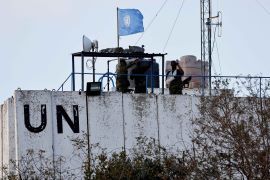
India has recently condemned the killing of three
Indonesian peacekeepers deployed as part of the United Nations Interim Force in
Lebanon (UNIFIL) in South Lebanon. Along with this, India has expressed serious
concern over the increasing number of attacks targeting UNIFIL personnel,
raising alarm about the safety of peacekeeping missions worldwide.
About UNIFIL
¨ The United Nations
Interim Force in Lebanon (UNIFIL) is a peacekeeping mission in southern
Lebanon, established by the Security Council in 1978 through Resolutions 425
and 426.
¨ It was created to confirm
Israeli withdrawal from Lebanon, restore international peace and security, and
assist the Lebanese Government in restoring its effective authority in the
area.
¨
Following the 34-day war
between Hezbollah and Israel in Lebanon in 2006, which killed around 1,100
Lebanese, UNIFIL’s mandate was expanded to monitor the ceasefire and assist
Lebanese armed forces in southern Lebanon.
¨ Its 17% of activities are
carried out jointly with the Lebanese Armed Forces. UNIFIL is complemented by a
five-vessel Maritime Task Force.
¨ As of 30 March 2026,
UNIFIL’s force consists of 7,505 peacekeepers from 47 troop-contributing
countries.
¨
India is one of the
largest and longest serving contributors to Peacekeeping with a total of 642
troops. Indonesia is the largest contributor with 755.
¨
Head of Mission and Force
Commander: Major General Diodato Abagnara (Italy)
United Nations Peacekeeping
¨ United Nations
Peacekeeping is one of the most important instruments of the United Nations for
maintaining international peace and security. Since 1948, it has deployed
missions across conflict zones to help countries transition from war to peace.
¨ It represents
multilateral cooperation, where member states contribute troops, police, and
civilians—symbolised by the iconic “Blue Helmets”.
Objectives of UN Peacekeeping:
¨
Maintain ceasefires and
peace agreements
¨
Protect civilians from
violence
¨
Support political
processes and elections
¨
Facilitate humanitarian
assistance
¨
Promote the rule of law
and human rights
¨
Assist in disarmament,
demobilisation, and reintegration (DDR)
¨
They act as a bridge
between conflict and sustainable peace.
Core Principles of UN Peacekeeping
¨ Consent of the Parties –
Missions operate with the approval of the conflicting parties.
¨
Impartiality –
Peacekeepers remain unbiased while implementing mandates.
¨
Non-use of Force (except
in self-defence and mandate defence) – Force is used only as a last
resort.
India and Peacekeeping
¨ India is among the
largest contributors to UN peacekeeping, with its armed forces deployed in nine
missions, including UNDOF, UNIFIL, UNTSO, UNFICYP, MONUSCO, UNMISS, UNIFSA,
MINUSCA, and MINURSO.
¨ Since the 1950s, India
has deployed over 290,000 peacekeepers in 50+ missions, with 5,000+ currently
serving in nine missions, and nearly 180 personnel having made the ultimate
sacrifice.
¨ The Indian Army has set
up the Centre for UN Peacekeeping (CUNPK) in New Delhi to provide specialised
training for peacekeeping operations.
¨ In line with the UN’s
gender parity goals and the Nari Shakti initiative, India, in 2007, deployed
the first-ever all-female Formed Police Unit (FPU) to Liberia.
Awards Conferred to Indians
¨
Major Radhika Sen was
honoured with the UN’s “Military Gender Advocate of the Year 2023” award.
¨
Major Swathi Shantha
Kumar won the prestigious 2025 UN Secretary-General’s Award for her project
“Equal Partners, Lasting Peace,” promoting gender-responsive peacekeeping in
South Sudan.
 Bill, 2026.jpg)