Jallianwala Bagh Massacre
Day is observed every year on April 13
¨
Jallianwala Bagh Massacre
Day is observed every year on April 13.
¨
In memory of the
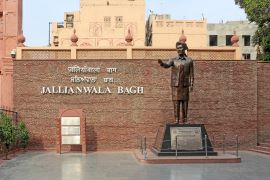
Jallianwala Bagh Massacre, the Jallianwala Bagh Memorial has been constructed
at the very site where this massacre took place in 1919.
Understanding the historical
background is crucial for both Static GK and Current Affairs
¨
Jallianwala Bagh Massacre
Day marks a dark chapter in the history of India. On April 13, 1919, British
troops massacred a peaceful crowd at Jallianwala Bagh in Amritsar.
¨
Hundreds of people were
killed, and even more were injured. Jallianwala Bagh Massacre Day is observed
in memory of the hundreds of innocent people who stood against the brutal and
oppressive British rule in India.
¨
The Rowlatt Act was a
controversial law passed by the British government in India in 1919, during the
era of British colonial rule. The Rowlatt Act granted British officials in
India sweeping powers to arrest individuals without trial and detain them for
up to two years.
¨
This Act was passed in
response to growing dissent and the independence movement in India, which
British officials perceived as a threat to their rule.
¨
The Act faced widespread
opposition from Indian political leaders, who viewed it as a violation of their
civil liberties and a betrayal of the principles of justice and fairness. On
April 13, 1919, a large, peaceful crowd gathered to celebrate Baisakhi and to
protest against the Rowlatt Act, despite the fact that Section 144 of the Act
had already been imposed.
¨
General Reginald Dyer,
the British military commander in Amritsar, deemed this crowd a grave threat to
British rule in India and ordered his troops to open fire on the unarmed people
without any warning or provocation, resulting in the Jallianwala Bagh Massacre.
¨
The firing lasted for
approximately 10 to 15 minutes, in which more than 400 people were killed
(although, according to official British figures, it is claimed that over 1,000
people were killed and even more were injured)—many of whom were innocent
bystanders.