Scientists Achieve Major Breakthrough in
Producing Medicines from Plastic Waste
¨ In a groundbreaking
scientific development, researchers have successfully engineered bacteria to
convert plastic waste into levodopa, a key drug used in the treatment of
Parkinson’s disease.
¨ The study highlights a
novel way to transform discarded materials into valuable medical resources,
offering a sustainable alternative to traditional drug manufacturing methods.
¨
Levodopa is the primary
drug used to treat Parkinson’s disease symptoms.
¨
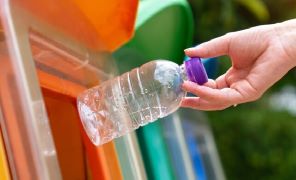
PET (polyethylene
terephthalate) is commonly used in plastic bottles and packaging.
¨
Engineered “E. coli” can
convert plastic into useful chemical compounds.
¨
Biotechnology can support
a circular economy by reusing waste materials.
How plastic is converted into medicine
¨ Scientists at the
University of Edinburgh used genetically modified “E. coli” bacteria to break
down polyethylene terephthalate (PET), a common plastic found in bottles and
packaging.
¨ The bacteria utilise the
carbon embedded within the plastic’s structure to produce levodopa. This method
demonstrates how waste materials can serve as a chemical feedstock for
producing essential medicines.
Importance for Parkinson’s treatment
¨ Levodopa remains the most
effective treatment for Parkinson’s disease, a neurological condition affecting
over 10 million people globally. It helps manage symptoms such as tremors,
stiffness, and movement difficulties. With an ageing global population, demand
for levodopa is rising, making sustainable and scalable production methods
increasingly important.