A project will be launched by eight Gram
Panchayats in Kerala’s Kasaragod district to restore traditional underground
water-harvesting structures known as ‘Surangam’
A project will be launched by eight Gram Panchayats in
Kerala’s Kasaragod district to restore traditional underground water-harvesting
structures known as ‘Surangam’. The initiative aims to revive traditional water
conservation systems, promote groundwater recharge and address growing
water-related challenges caused by climate change.
The Surangam system uses underground water sources. It
is a traditional water-harvesting technique practised in the Kasaragod region
of Kerala and is particularly useful in maintaining water availability in hilly
areas.
The major objectives of this initiative
are as follows:
¨
Project Area: Surangam
structures will be restored in eight Gram Panchayats of Kasaragod district in
Kerala.
¨
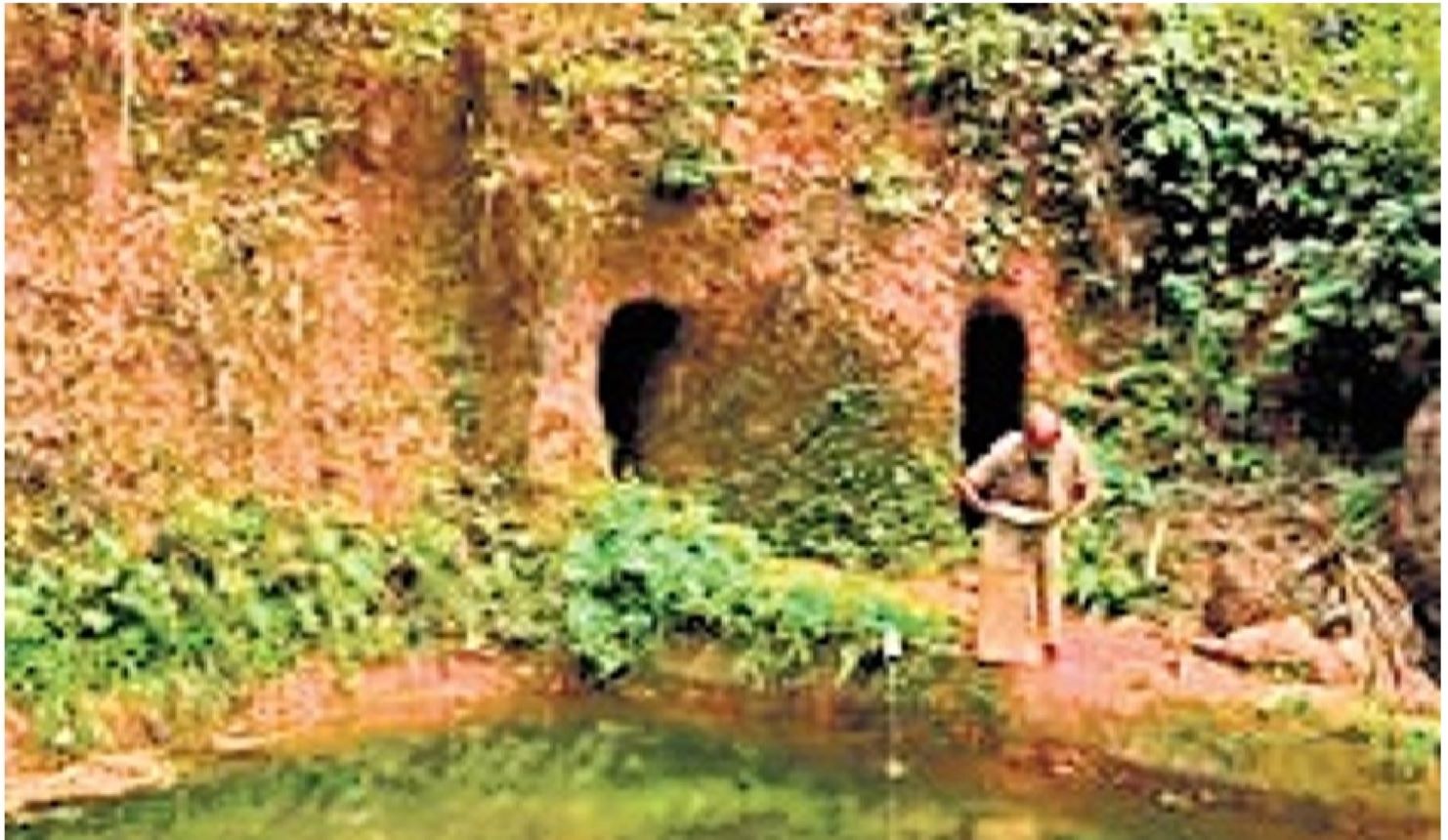
Surangam System: It is a
traditional underground water-harvesting technique in which horizontal tunnels
are dug inside hills to collect naturally seeping groundwater.
¨
Groundwater Recharge: The
revival of traditional water structures aims to improve groundwater levels and
ensure the long-term availability of water resources.
¨
Rainwater Conservation:
One of its major objectives is to conserve available rainwater and reduce
unnecessary water runoff and wastage.
¨
Summer Water Scarcity: It
will help reduce water shortages during summer and improve water availability
for local communities.
¨
Conservation of River
Flow: It is expected to help maintain water sources and sustain river flows
amid declining rainfall and increasing drought risks.
¨
Climate Change
Adaptation: The initiative will enhance the adaptive capacity of local water
systems to challenges such as changing rainfall patterns, irregular monsoons
and increasing drought conditions.
¨
Community Participation:
Conservation of traditional water structures through Gram Panchayats will
promote local-level water management and community participation.
Surangam Water-Harvesting System
¨
Traditional Technique:
Surangams are horizontal tunnels excavated in laterite hills through which
groundwater is collected through natural seepage and gravity-driven flow.
¨
Geographical
Distribution: They are mainly associated with Kasaragod district of Kerala and
parts of Dakshina Kannada district of Karnataka, particularly in laterite-rich
dissected terrain.
¨
Local Names: In different
regions, Surangam is also known as Thurangam, Thorapu and Mala. The word
Surangam is derived from a Kannada word meaning tunnel.
¨
Physical Dimensions: A
typical Surangam is approximately 0.45–0.70 metres wide, 1.8–2 metres high and
3–300 metres long. Longer tunnels may also have vertical ventilation shafts.
¨
Water Collection:
Groundwater emerging from these tunnels is generally collected in open pits,
ponds or storage structures, commonly known as Mathakkam. The collected water
is subsequently used for drinking, domestic purposes and irrigation.
¨
Significance: It provides
a gravity-based water supply system requiring minimal energy. It strengthens
local water security and highlights the importance of indigenous
water-management knowledge.