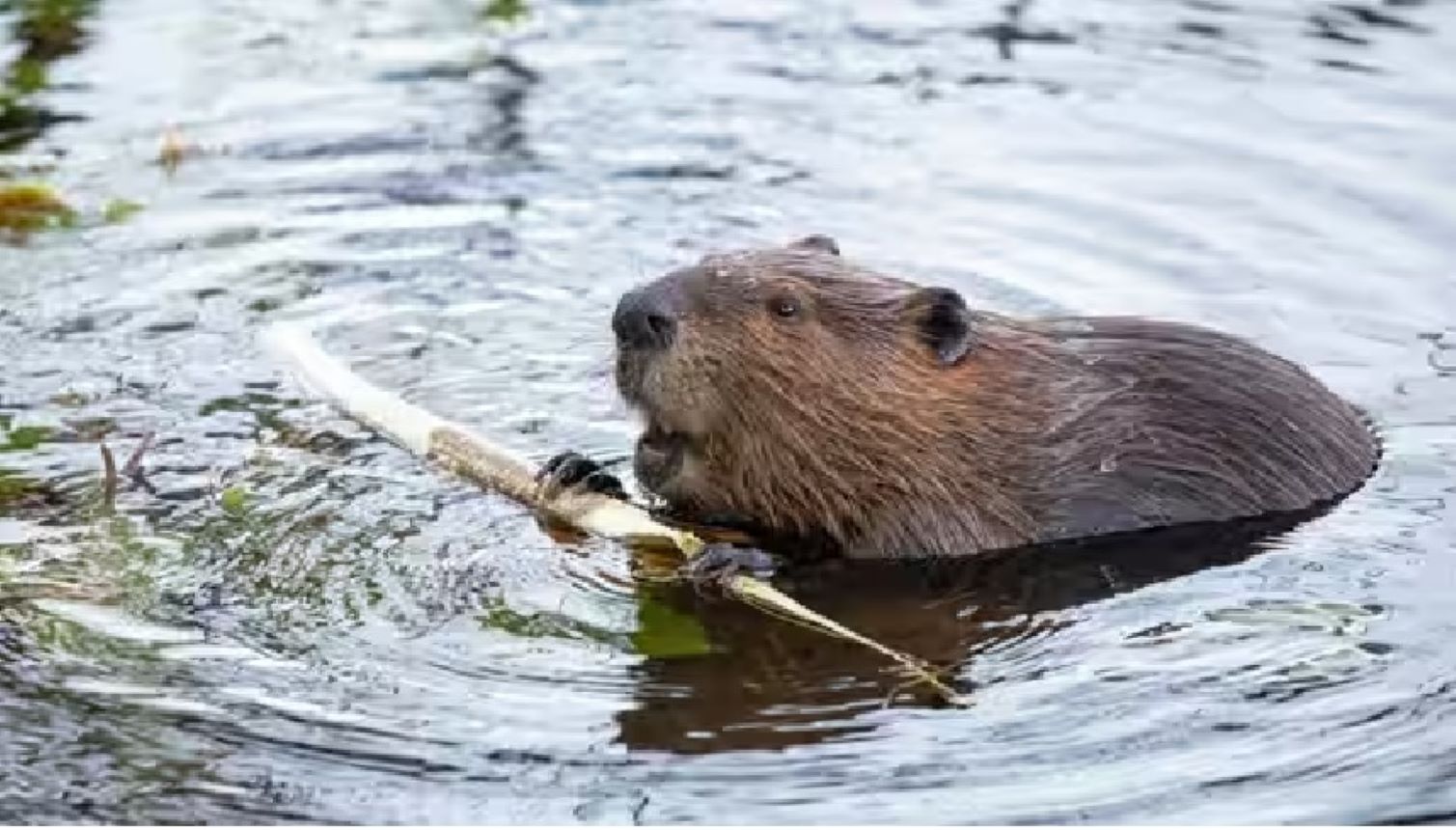
A survey conducted by NatureScot, Beaver
Trust and the University of Exeter between 2024 and 2026 recorded 349 confirmed
beaver territories and 56 possible territories in Scotland's Tayside and Forth
regions
¨
A survey conducted by
NatureScot, Beaver Trust and the University of Exeter between 2024 and 2026
recorded 349 confirmed beaver territories and 56 possible territories in
Scotland's Tayside and Forth regions.
¨
NatureScot published the
survey findings on 16 November 2026.
¨
The total of up to 405
territories compares with 39 recorded in 2012, 114 in 2017–18 and 251 in
2020–21.
¨
Survey teams covered
2,397 km of watercourses.
¨
More than 20,000
confirmed signs of beaver activity were identified, including dams, burrows and
lodges.
¨
Around 50% of recorded
beaver activity was found in waterside woodlands.
¨
In the 2020–21 survey,
41% of beaver activity was recorded on agricultural land.
¨
According to NatureScot,
the annual growth in the number of beaver territories has slowed, following a
similar pattern observed in established reintroduced populations across Europe.
¨
NatureScot mammal adviser
Dr Roo Campbell stated in November 2026 that beavers were continuing to expand
into new areas, bringing benefits to nature and people.
¨
Dr Roisin
Campbell-Palmer, Head of Restoration at Beaver Trust, described the survey as
potentially the largest survey of beaver activity ever conducted.
¨
Between April 2024 and
March 2025, 47 beavers were released in Scotland.
¨
These beavers were
released in areas including Cairngorms National Park, the Trossachs and Tay Forest
Park.

 signed a ₹1,976.40-crore contract with Israel Aerospace Industries (IAI) in New Delhi.jpg)