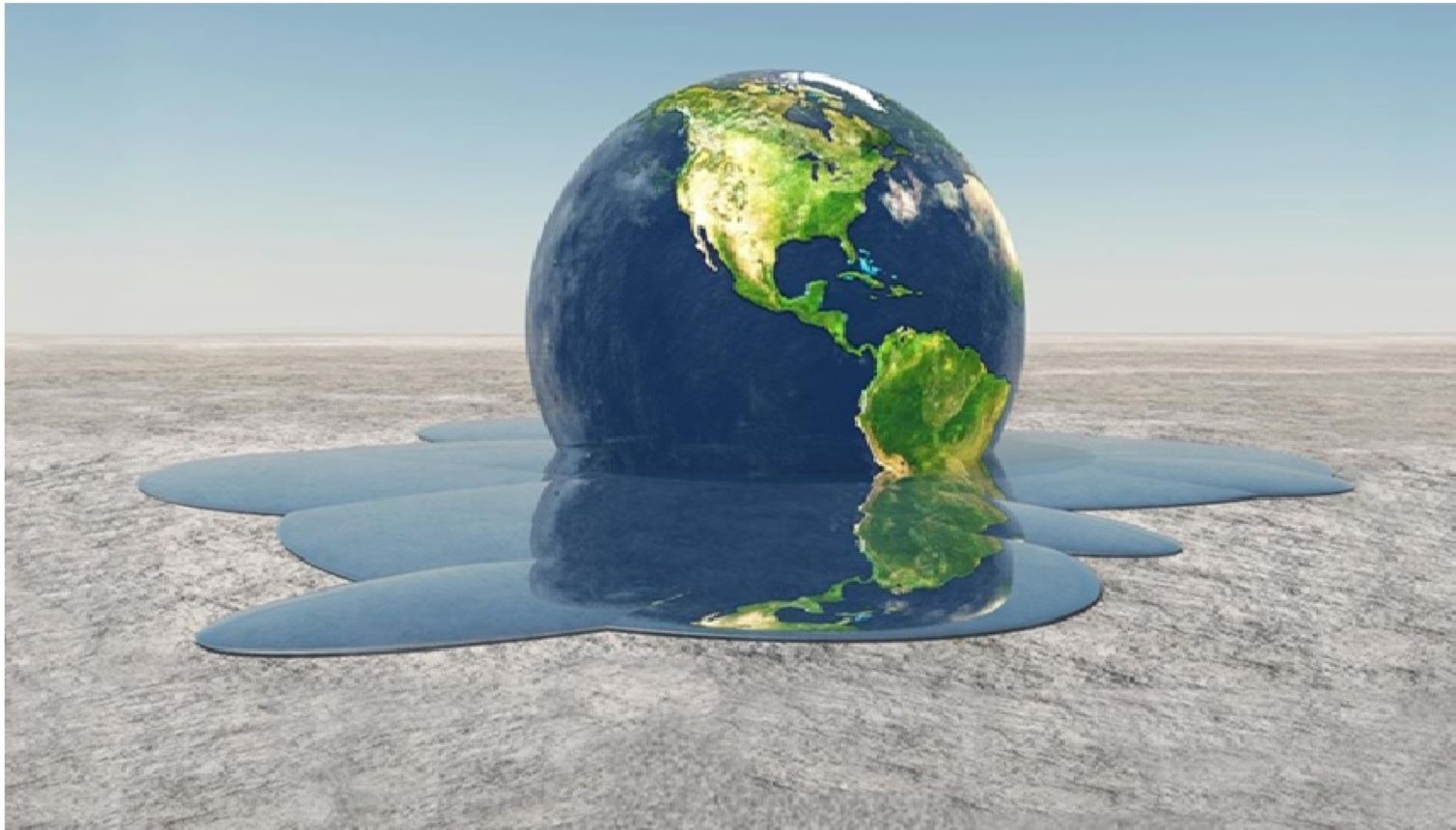
Climate Risk Index 2027 was released by
the Germany-based environment and development organization Germanwatch during
the United Nations Climate Change Conference
Climate Risk Index 2027 was released by the
Germany-based environment and development organization, Germanwatch, on
November 17, 2026, during the United Nations Climate Change Conference (COP31).
According to this index, India ranked 10th among the countries most affected by
extreme weather events related to climate during the period from 1996 to 2025.
Climate Risk Index (CRI)
¨
Published by:
Germanwatch, a German environmental and development organisation.
¨
Purpose: To assess the
impacts of extreme weather events on countries and highlight their climate
vulnerability.
¨
Assessment Period:
1996–2025 (30 years), along with a separate assessment of 2025.
¨
Data Sources:
International Disaster Database (EM-DAT), World Bank and International Monetary
Fund (IMF).
Assessment Indicators: Six indicators
covering absolute and relative impacts:
¨
Number of fatalities.
¨
Number of affected
people.
¨
Economic losses.
¨
Fatalities relative to
population.
¨
Affected people relative
to population.
¨
Economic losses relative
to GDP.
Key Findings of the Index
India’s Climate Vulnerability:
¨
Overall Ranking: India
ranked 10th globally for climate vulnerability during 1996–2025 and 12th for
2025.
¨
Extreme Weather Events:
India experienced 436 extreme weather events during the 30-year period.
¨
Human Impact: These
events affected over 1.2 billion people and caused more than 78,000 deaths.
¨
Economic Losses: India
suffered inflation-adjusted economic losses exceeding USD 170 billion.
¨
Major Disasters: These
included the 1998 Gujarat and 1999 Odisha cyclones, Cyclones Hudhud (2014) and
Amphan (2020), Uttarakhand floods (2013) and severe floods across 13 states
(2019).
¨
Heatwaves: Temperatures
around 50°C during heatwaves in 1998, 2002, 2003 and 2015 caused numerous
fatalities.
¨
Major Vulnerabilities:
Floods, landslides, cyclones, droughts and heatwaves have caused displacement,
agricultural damage and destruction of coastal infrastructure.
Global Climate Vulnerability:
¨
Top Three (1996–2025):
Dominica, Myanmar and Honduras.
¨
Other Countries in Top
10: Libya, Haiti, Grenada, Philippines, Nicaragua and The Bahamas.
¨
Most Affected in 2025:
Jamaica ranked first, followed by Sri Lanka, Spain, Thailand, the Philippines
and Pakistan.
Global Impact of Extreme Weather Events:
¨
Human Fatalities: Over
9.16 lakh people died globally during the last three decades.
¨
Affected Population:
Around 5.5 billion people were affected.
¨
Economic Losses: Nearly
10,000 extreme weather events caused direct economic losses exceeding USD 4.7
trillion.
¨
Most Affected Regions:
Developing countries, particularly in the Global South, faced disproportionate
impacts despite contributing relatively less to climate change.
¨
Heatwaves: Heatwaves emerged as the deadliest extreme
weather hazard during 1996–2025.
¨
Heatwaves caused over
3,64,000 deaths, followed by storms (2,76,000), floods (2,00,000) and droughts
(25,373) globally during 1996–2025.
¨
Rising global
temperatures increase the likelihood and intensity of heatwaves, affecting
agriculture, food security and livelihoods.
¨
Heat-related deaths,
particularly in the Global South, are often underreported.
Other Important Findings:
Two Categories of Vulnerable Countries:
¨
Countries affected by
exceptionally devastating disasters, such as Dominica, Myanmar and Honduras.
¨
Countries repeatedly
affected by extreme weather events, such as India and the Philippines.
¨
Climate Attribution:
Climate change increased the likelihood and/or intensity of 77% of the assessed
extreme weather events.
¨
Wider Impact: Several
European countries and the United States also featured among the 30 most
affected countries.
Key Recommendations
¨
Climate Adaptation:
Strengthen domestic adaptation efforts and disaster preparedness.
¨
Energy Transition:
Accelerate the transition away from fossil fuels.
¨
Climate Finance:
Wealthier historical polluters must provide adequate financial support to
vulnerable countries.
¨
Climate-Resilient
Development: Integrate climate resilience into urban planning, agriculture,
infrastructure and livelihoods.
¨
Global Cooperation: Use
COP31 to accelerate climate action and support vulnerable countries.