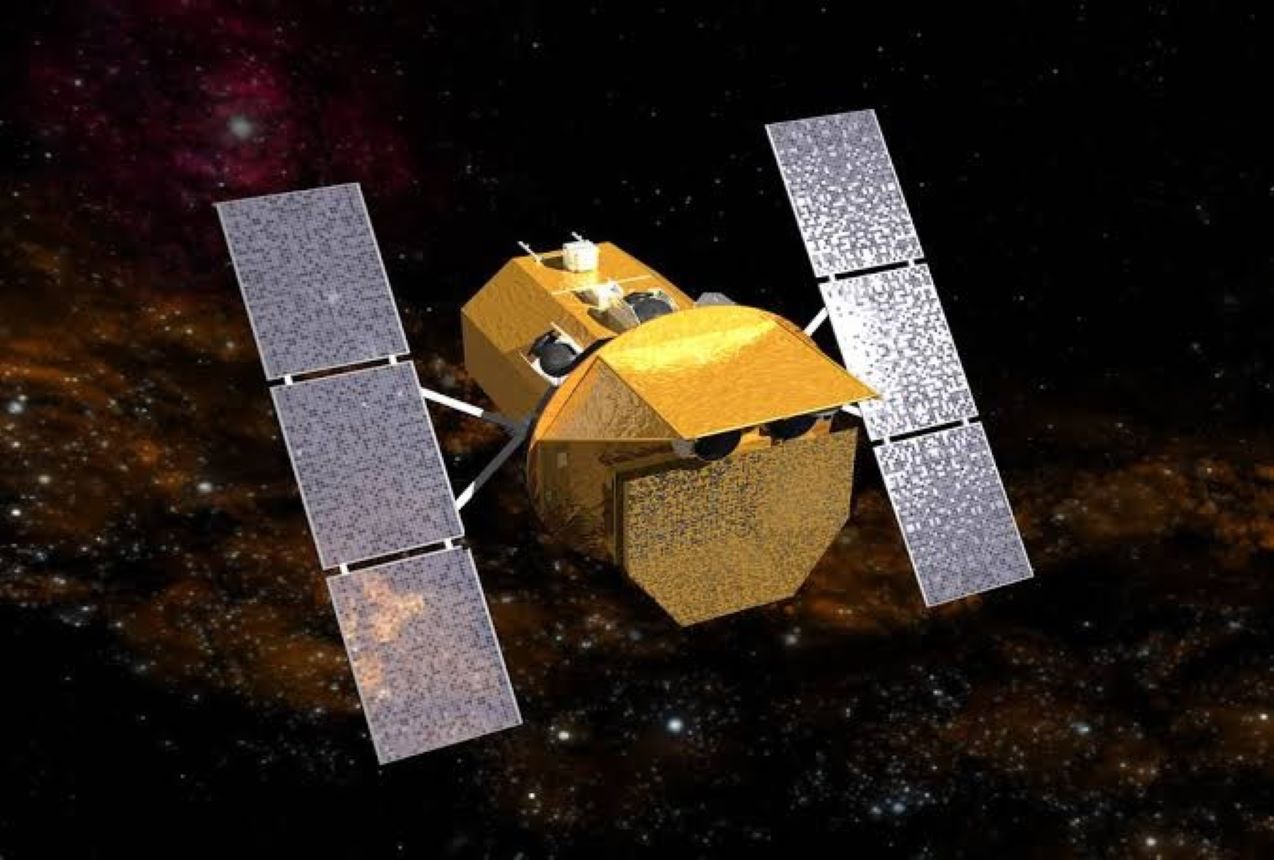
¨ Indian Space Research Organisation (ISRO) is implementing several measures to reduce space debris from satellite constellations operating in Low Earth Orbit (LEO).
¨ Major measures include the Debris Free Space Mission (DFSM), Active Debris Removal (ADR), post-mission disposal practices, and orbital decay norms for Indian space actors.
¨ Space debris includes defunct satellites, spent rocket stages, and fragments produced by collisions or explosions in space.
¨ Low Earth Orbit (LEO) generally extends up to about 2,000 km above Earth’s surface and is widely used by Earth-observation satellites, crewed missions, and large internet satellite constellations.
¨ Large satellite constellations use autonomous collision-avoidance systems, but failed or non-manoeuvrable spacecraft can still pose a collision risk.
¨ Very small debris particles are particularly difficult to track and avoid through conventional orbital manoeuvring.
¨ The Debris Free Space Mission (DFSM) is ISRO’s framework aimed at preventing the generation of new orbital debris.
¨ Active Debris Removal (ADR) involves technologies and missions designed to capture, de-orbit, or neutralise existing space debris.
¨ ISRO has started precursor on-orbit demonstrations related to Active Debris Removal.
¨ However, no operational launch date has been announced for a full-scale debris-removal system.
¨ Under the Indian Space Policy and norms issued by IN-SPACe, Indian space operators are required to follow internationally recognised post-mission disposal practices.
¨ These practices include controlled re-entry, rapid natural orbital decay, and other methods aimed at reducing long-term debris generation.
¨ India follows a 5-year orbital decay guideline for certain missions, requiring spacecraft and upper stages to re-enter the atmosphere within five years after mission completion.
¨ The LVM3-M5 rocket’s upper stage, launched on 2 November 2025, re-entered Earth’s atmosphere over the Atlantic Ocean on 30 July 2026.
¨ The re-entry of the LVM3-M5 upper stage was in accordance with India’s 5-year DFSM orbital decay guideline.
ISRO Measures to Reduce Space Debris in Low Earth Orbit (LEO)
.jpg)
ISRO
Measures to Reduce Space Debris in Low Earth Orbit (LEO)