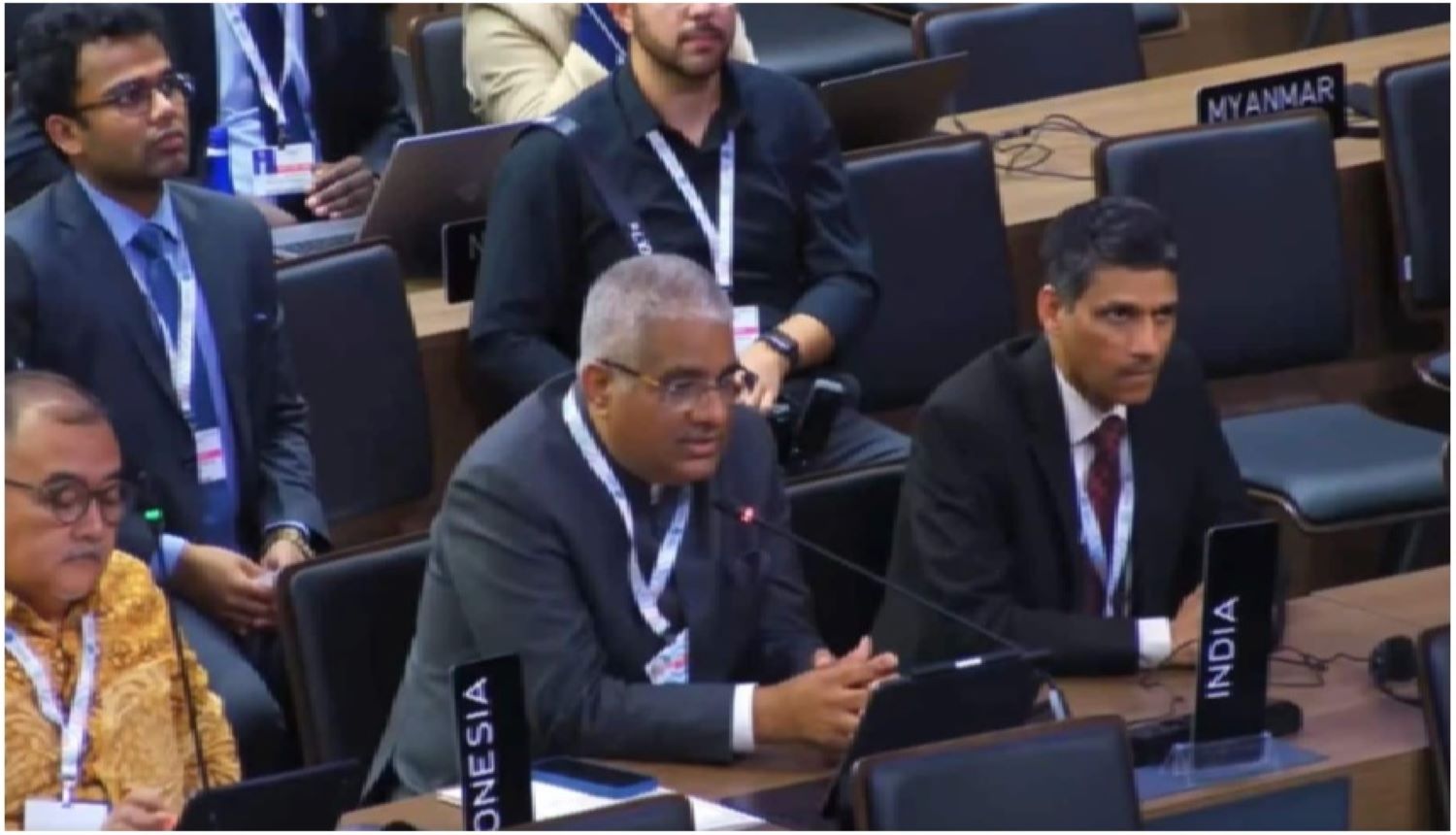
Ministry
of Tribal Affairs organized a national conference on the theme
"Constitutional Rights and Legal Provisions for Tribal Communities"
at the SCOPE Complex in New Delhi
Ministry of Tribal
Affairs organised a national conference on “Constitutional Rights and Legal
Provisions for Tribal Communities” at the SCOPE Complex in New Delhi. The
objective of the conference was to raise awareness among tribal communities
about the rights guaranteed to them under the Constitution, legal safeguards,
and provisions related to their social, economic, and political empowerment. It
also emphasised protecting tribal rights, ensuring access to justice, and
addressing challenges affecting their development.
Constitutional
Rights of Tribal Communities
¨
The Constitution of India provides various provisions to protect the
social, cultural, economic, and political identity of tribal communities. These
provisions aim to provide equal opportunities to historically disadvantaged
communities and preserve their distinct traditions and lifestyles.
1.
Equality and Protection against Discrimination
¨
Article 14 guarantees equality before the law and equal protection of
the laws.
¨ Article 15 prohibits discrimination on
grounds of religion, race, caste, sex, or place of birth.
¨ Article 16 provides equality of opportunity
in matters of public employment and permits reservation under constitutional
provisions.
¨
Article 17 abolishes untouchability and makes its practice punishable by
law.
2.
Special Provisions for Tribal Communities
¨
Article 46 directs the State to promote the educational and economic
interests of weaker sections of society, including Scheduled Tribes, and
protect them from social injustice and all forms of exploitation.
¨ Article 330 provides for the reservation of
seats for Scheduled Tribes in the Lok Sabha.
¨ Article 332 provides for the reservation of
seats for Scheduled Tribes in State Legislative Assemblies.
¨
Article 335 provides for the consideration of the claims of Scheduled
Tribes in appointments to services and posts under the Union and the States.
3. Fifth
and Sixth Schedules
The Fifth
and Sixth Schedules of the Indian Constitution provide special arrangements for
the administration of tribal areas and the protection of the interests of the
communities living there.
¨
Fifth Schedule: It provides for the administration and control of
Scheduled Areas and Scheduled Tribes living in those areas in states other than
Assam, Meghalaya, Tripura, and Mizoram.
¨ Sixth Schedule: It provides for Autonomous
District Councils and Regional Councils in tribal areas of Assam, Meghalaya, Tripura,
and Mizoram.
¨
These arrangements aim to protect tribal traditions, local
self-governance, and their distinct socio-cultural identity.
4. Major
Laws Protecting the Rights of Tribal Communities
Several
important laws have been enacted to protect the land, forest, livelihood, and
self-governance rights of tribal communities.
¨
Scheduled Tribes and Other Traditional Forest Dwellers (Recognition of
Forest Rights) Act, 2006: It recognises the individual and community forest
rights of eligible Scheduled Tribes and other traditional forest dwellers.
¨ Provisions of the Panchayats (Extension to
the Scheduled Areas) Act, 1996 (PESA): It strengthens the role of Gram Sabhas
and Panchayats in Scheduled Areas covered under the Fifth Schedule.
¨ Scheduled Castes and Scheduled Tribes
(Prevention of Atrocities) Act, 1989: It provides for the prevention of
specified atrocities against members of Scheduled Castes and Scheduled Tribes
and offers legal protection to victims.
¨
Right to Fair Compensation and Transparency in Land Acquisition,
Rehabilitation and Resettlement Act, 2013: It provides for fair compensation,
transparency, and rehabilitation and resettlement in accordance with applicable
legal provisions in cases of land acquisition.
5.
Political Rights and Representation of Tribal Communities
The
Indian Constitution provides special arrangements to ensure the participation
and representation of tribal communities in the political process.
¨
Seats are reserved for Scheduled Tribes in the Lok Sabha and State
Legislative Assemblies.
¨ Article 243D provides for the reservation of
seats for Scheduled Tribes in Panchayats.
¨ Article 243T relates to the reservation of
seats for Scheduled Tribes in Municipalities.
¨
These provisions aim to increase the participation of tribal communities
in local governance and democratic institutions.
6.
National Commission for Scheduled Tribes
The
National Commission for Scheduled Tribes is a constitutional body established
under Article 338A of the Constitution.
¨
Its primary function is to monitor the safeguards provided for Scheduled
Tribes under the Constitution and other laws.
¨ It investigates complaints relating to the
rights of tribal communities and makes recommendations concerning their
socio-economic development.
¨
The Commission recommends measures to the Central and State Governments
for protecting the interests of tribal communities.
7.
Significance of the Conference
The
significance of this national conference lies in raising awareness about the
constitutional and legal rights of tribal communities and encouraging their
effective implementation.
¨
It helps provide tribal communities with information about their rights
and available legal remedies.
¨ It focuses on protecting rights related to
land, forest resources, livelihoods, and local self-governance.
¨ It promotes coordination among government
institutions, legal experts, and relevant stakeholders.
¨
Its broader objective is to reduce discrimination and exploitation
against tribal communities and connect them with justice, equal opportunities,
and mainstream development.