National
Conference on E-Governance Reforms 2026: Initiatives Towards Transparent,
Accountable, and Citizen-Centric Governance
The Department of
Administrative Reforms and Public Grievances (DARPG), in collaboration with the
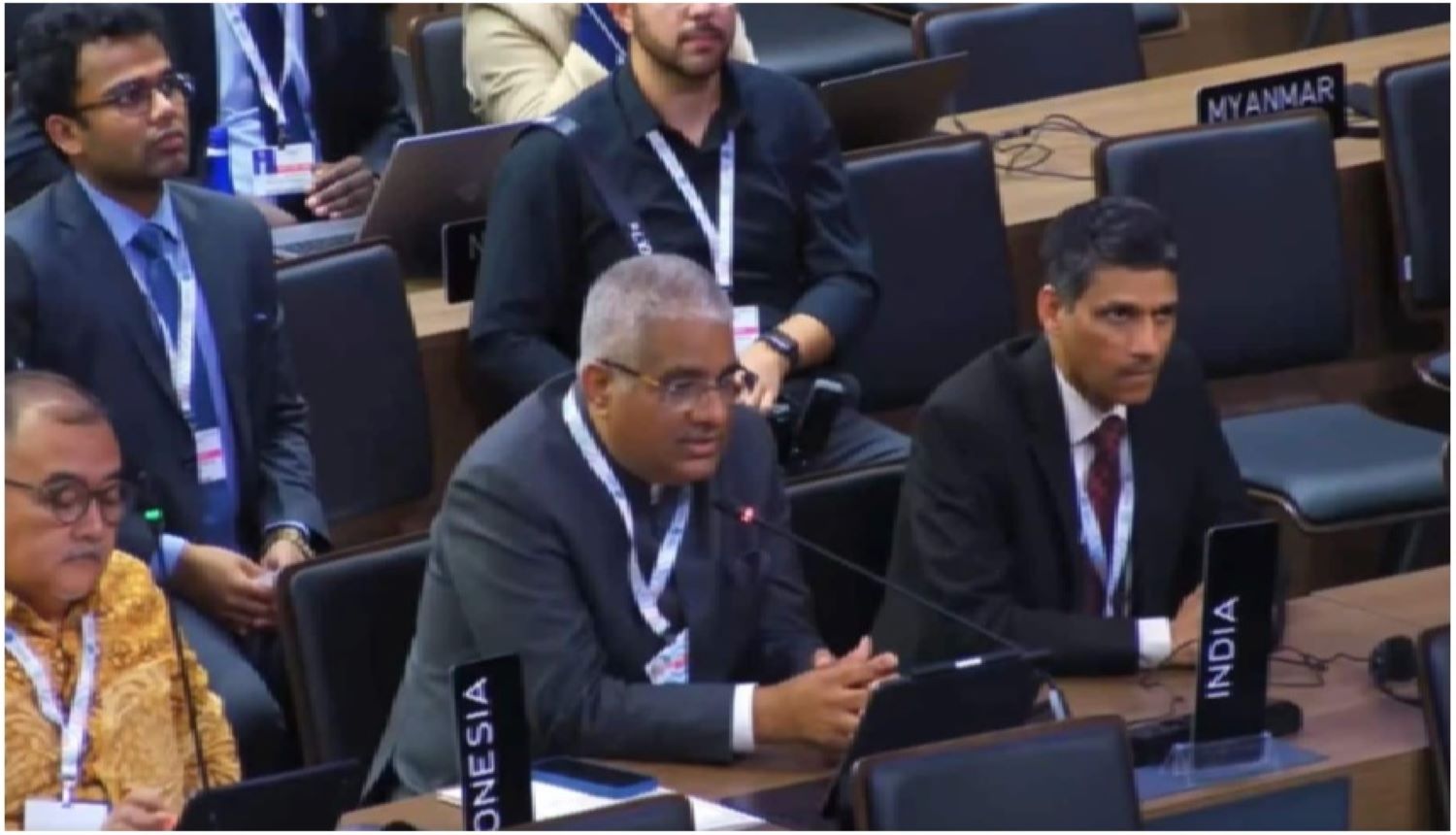
Government of Himachal Pradesh, organized a two-day National Conference on
E-Governance Reforms on October 16–17, 2026, in Dharamshala, Himachal Pradesh.
The objective of this conference was to make administrative processes more
transparent, accountable, effective, and citizen-centric.
Key
Objectives of the National Conference on E-Governance Reforms:
¨
To make government services simple, accessible, and time-bound for
citizens.
¨ To enhance the effective use of Information
and Communication Technology (ICT) in administrative operations.
¨ To strengthen transparency and accountability
within government departments.
¨ To promote digital systems for the prompt and
effective redressal of citizens' grievances.
¨ To foster coordination among the central,
state, and district-level administrations.
¨
To facilitate the exchange of successful experiments, innovations, and
best practices in the realm of good governance.
National
Conference on e-Governance Reforms
¨
Objective: To promote digital transformation, exchange successful
governance practices and improve transparent, efficient and citizen-centric
public service delivery.
¨
Key Discussions: The conference highlighted the role of artificial
intelligence, emerging technologies, cybersecurity, data analytics and
replication of successful e-governance initiatives.
Himachal
Pradesh Initiatives: Five initiatives were showcased:
1.
Him Parivar
2. Sukh Aashraya
3. Vidya Samiksha Kendra
4. Green Himachal
5.
Rajiv Gandhi Van Samvardhan Yojana
Other Initiatives:
Presentations covered AgriStack, e-Jagriti, AI-enabled Clinical Decision
Support System under e-Sanjeevani, the Multi-Hazard Early Warning Decision
Support System and iGOT Karmayogi.
National
Awards for e-Governance
¨
Nodal Department: DARPG presents these awards annually to recognise
excellence in implementing e-governance initiatives.
¨ They have been awarded since 2003.
¨ Purpose: To recognise innovation, disseminate
effective practices and encourage sustainable, technology-enabled governance
solutions.
¨
Eligibility: Central Ministries/Departments, State/UT Governments,
districts, local bodies, public sector undertakings and academic/research institutions.
Award
Categories 2026: The scheme provides for 16 awards under seven categories,
covering:
¨
Government process re-engineering for digital transformation.
¨ Artificial intelligence and emerging
technologies.
¨ Cybersecurity.
¨ District-level initiatives.
¨ Grassroots-level initiatives.
¨ Replication and scaling of successful
e-governance projects.
¨
Data analytics for digital transformation.