Mesalina bishnoi: India's First Recorded Mesalina Lizard Species Discovered in Rajasthan
India continues to add remarkable discoveries to its biodiversity records. Scientists have recently identified a new species of lizard named Mesalina bishnoi from the deserts of Rajasthan. This discovery is especially significant because it represents the first confirmed occurrence of the genus Mesalina in India, expanding the known distribution of this desert-adapted reptile group. The discovery not only enriches India's reptile diversity but also highlights the ecological importance of the Thar Desert and the role of local communities in conserving wildlife.
Why is Mesalina bishnoi in the News?
A team of researchers officially described Mesalina bishnoi as a new species on 1 June 2026 after conducting detailed scientific investigations. The species was identified using both morphological characteristics and genetic analysis, confirming that it is distinct from all previously known members of the genus. The discovery is regarded as an important milestone in Indian herpetology because no species of the genus Mesalina had been formally recorded from India before.
About Mesalina bishnoi
|
Feature |
Details |
|
Species Name |
Mesalina bishnoi |
|
Scientific Group |
Genus Mesalina |
|
Discovery
Location |
Near Gajner, Rajasthan |
|
Habitat |
Semi-desert ecosystem of the
Thar Desert |
|
First Scientific
Description |
1 June 2026 |
|
Significance |
First confirmed Mesalina
genus record in India |
Taxonomic Classification
The newly discovered species belongs to the genus Mesalina, a group of small desert-dwelling lizards primarily found across parts of North Africa, the Middle East, and Southwest Asia. Researchers classified Mesalina bishnoi within the Mesalina watsonana species complex, a group of closely related species that often require detailed anatomical and DNA studies for accurate identification.
Scientists confirmed its uniqueness through:
- Comparative morphological examination
- Genetic sequencing
- Evolutionary relationship analysis
- Detailed taxonomic evaluation
These findings established it as a completely new species rather than a regional variation of an existing one.
Discovery of the Species
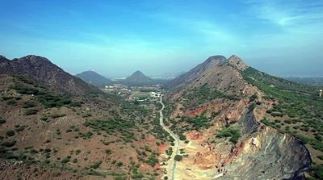
The discovery resulted from a biodiversity field survey conducted in August 2025. Researchers collected the specimen from an open semi-arid landscape near Gajner in Rajasthan, an area that forms part of the vast Thar Desert ecosystem.
The habitat consists of:
- Sandy plains
- Sparse desert vegetation
- Dry scrubland
- Semi-desert ecological conditions
These harsh environments support several specialized reptile species adapted to extreme temperatures and limited water availability.
Physical Characteristics
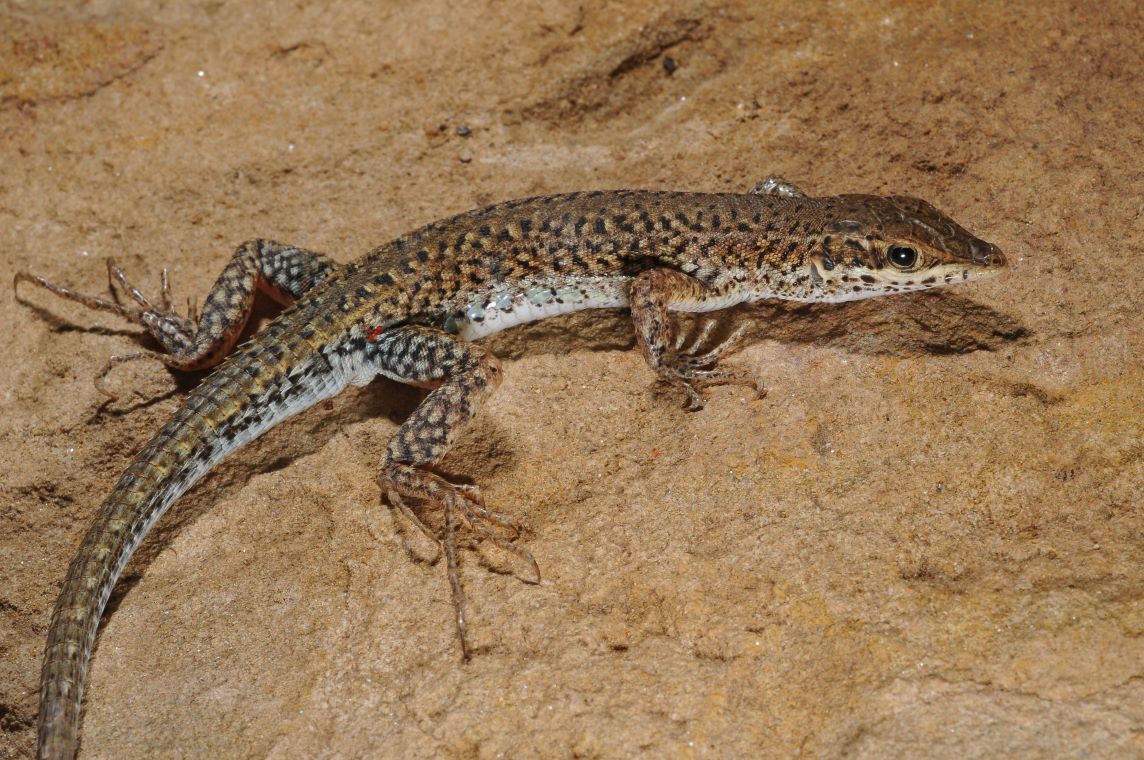
Scientists observed several distinguishing features that separate Mesalina bishnoi from related species.
Key Characteristics
- Small-sized desert lizard
- Snout-vent length (SVL) of approximately 39.2 mm
- Greyish to olive-brown body coloration
- Prominent longitudinal stripes
- Distinct body markings
- Adapted for life in arid desert environments
Its coloration provides excellent camouflage against the sandy terrain of the Thar Desert, helping it avoid predators.
Why Was It Named 'bishnoi'?
The species has been named Mesalina bishnoi in recognition of the Bishnoi community, renowned for its centuries-old commitment to protecting wildlife and preserving nature. The Bishnoi community has long been associated with conservation practices, including the protection of trees, blackbucks, chinkaras, and numerous other species native to the desert ecosystem.
By naming the species after this community, scientists acknowledged their enduring contribution to environmental conservation and biodiversity protection.
Why is This Discovery Important?
The discovery has scientific as well as conservation significance.
- First Indian Record of the Genus: It marks the first officially confirmed presence of the Mesalina genus within India's borders.
- Enriches India's Biodiversity: The finding increases the documented diversity of reptiles found in India.
- Strengthens Desert Conservation: The discovery demonstrates that the Thar Desert still holds unexplored biodiversity deserving further scientific research.
- Importance of Taxonomic Research: Modern taxonomy combining DNA analysis with traditional morphology continues to reveal previously unknown species.
- Recognition of Community Conservation: The naming of the species highlights how local communities contribute significantly to protecting ecosystems.
About the Thar Desert
The Thar Desert, also known as the Great Indian Desert, is one of the world's most densely populated deserts and extends across northwestern India and southeastern Pakistan.
Important characteristics include:
- Semi-arid to arid climate
- Rich reptile diversity
- Home to numerous endemic species
- Unique desert ecosystems
- Important conservation landscape
The discovery of Mesalina bishnoi further emphasizes the ecological richness of this region.
Competitive Exam Facts
- Species: Mesalina bishnoi
- State: Rajasthan
- Discovery Site: Near Gajner
- Habitat: Semi-desert area of the Thar Desert
- Scientific Description Published: 1 June 2026
- Genus: Mesalina
- Species Complex: Mesalina watsonana complex
- Identification Methods: Morphology and genetic analysis
- Approximate SVL: 39.2 mm
- Named After: Bishnoi community
- Importance: First confirmed record of the Mesalina genus in India
Conclusion
The discovery of Mesalina bishnoi marks an important achievement in India's biodiversity research and highlights the hidden ecological wealth of the Thar Desert. As the first confirmed representative of the Mesalina genus in India, the species broadens scientific understanding of desert reptiles while drawing attention to the importance of conservation. It also serves as a tribute to the Bishnoi community, whose dedication to protecting wildlife continues to inspire conservation efforts across the country.