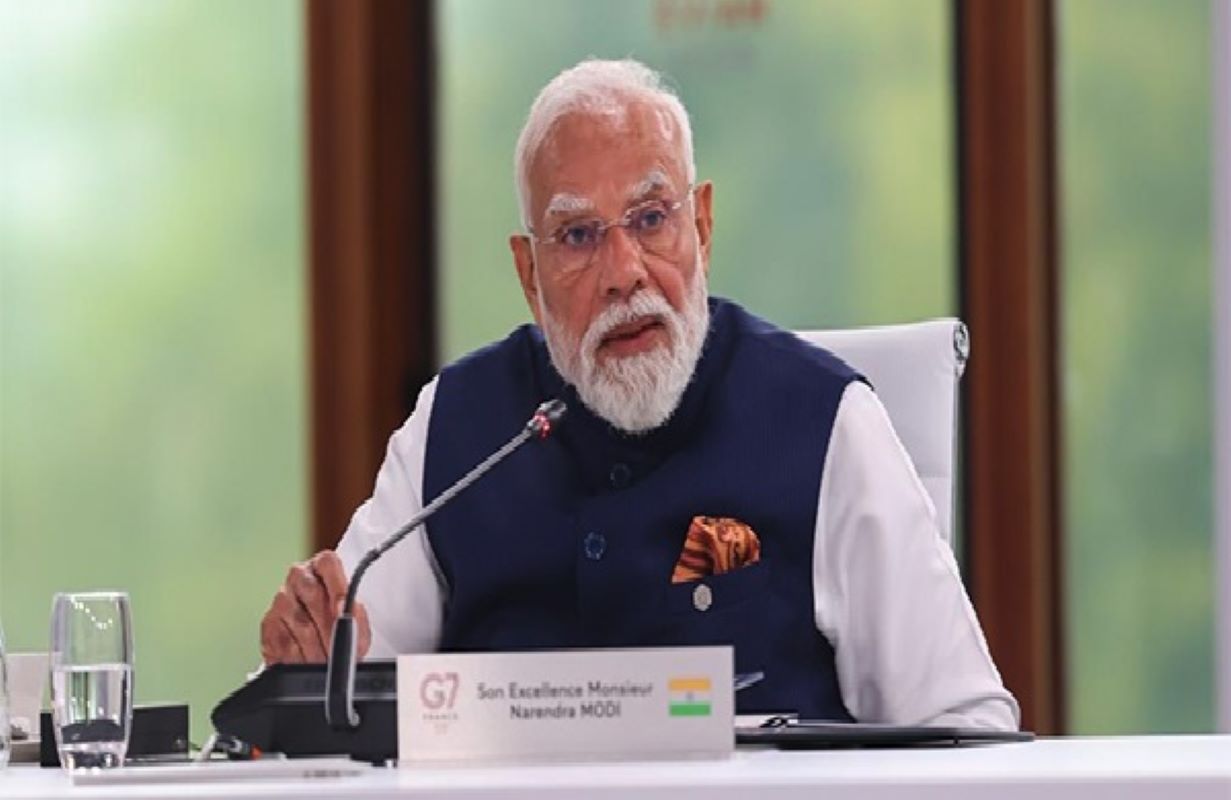
52nd PRAGATI Meeting 2026: PM Modi Reviews Infrastructure Projects, TB-Free India Mission and Cybercrime Prevention
The Government of India continues to strengthen technology-driven governance through PRAGATI (Pro-Active Governance and Timely Implementation), a platform designed to monitor key infrastructure projects, public welfare schemes, and citizen grievances.
In its 52nd PRAGATI Meeting, Prime Minister Narendra Modi reviewed major infrastructure projects worth nearly ₹30,000 crore, assessed the progress of the TB Mukt Bharat Abhiyan, and directed authorities to strengthen measures against cybercrime and digital fraud.
This meeting highlights the government's focus on faster project implementation, cooperative federalism, digital governance, and citizen-centric administration—topics that are highly relevant for UPSC, SSC, Banking, Railways, State PCS, and other competitive examinations.
Key Highlights of the 52nd PRAGATI Meeting
Review of Major Infrastructure Projects
Prime Minister Narendra Modi reviewed four strategic infrastructure projects spread across four states. These projects belong to the:
- Road sector
- Power sector
- Industrial Corridor development
- Metro Rail infrastructure
Together, these projects involve an estimated investment of around ₹30,000 crore. During the review, the Prime Minister emphasized:
- Timely execution of projects.
- Better coordination among ministries and state governments.
- Quick resolution of administrative and procedural bottlenecks.
- Mission-mode implementation to avoid unnecessary delays.
He observed that delays not only increase project costs but also postpone economic growth, employment opportunities, and public benefits.
Greater Use of PM GatiShakti National Master Plan
The meeting stressed the effective implementation of the PM GatiShakti National Master Plan for integrated infrastructure planning. The Prime Minister directed departments to:
- Regularly update project information.
- Maintain accurate utility and infrastructure data.
- Ensure timely environmental and statutory clearances.
- Use real-time digital information for better decision-making.
A data-driven planning system can identify potential bottlenecks in advance and help complete projects on schedule.
Progress of the TB Mukt Bharat Abhiyan
The Prime Minister reviewed the ongoing progress of the TB Mukt Bharat Abhiyan, India's ambitious campaign to eliminate tuberculosis. Special emphasis was placed on:
- Using Artificial Intelligence (AI) for TB surveillance.
- Leveraging digital technologies for patient monitoring.
- Improving diagnosis and treatment tracking.
The Prime Minister also suggested involving:
- NCC Cadets
- MY Bharat Volunteers
These youth volunteers can play an important role in:
- Spreading awareness.
- Supporting patient follow-up.
- Mobilising communities for better healthcare outcomes.
Cybercrime and Digital Fraud Prevention
With the rapid growth of digital transactions, cyber fraud has become a major concern. During the meeting, the Prime Minister reviewed complaints related to:
- Cyber fraud
- Online financial scams
- Digital arrest frauds
He directed agencies to:
- Improve coordination among enforcement agencies.
- Ensure faster response to complaints.
- Strengthen cyber awareness campaigns.
- Improve investigation and grievance redressal systems.
States were also encouraged to implement the e-Zero FIR mechanism to enable quicker registration and action in cybercrime cases.
What is PRAGATI?
PRAGATI (Pro-Active Governance and Timely Implementation) is an ICT-enabled governance platform launched in 2015 by the Government of India. Its objective is to monitor:
- Major infrastructure projects
- Flagship government schemes
- Public grievances
The platform connects the Central Government and State Governments through technology for faster decision-making and effective governance.
Origin and Evolution of PRAGATI
The concept of PRAGATI was inspired by SWAGAT (State Wide Attention on Grievances by Application of Technology), introduced in Gujarat in 2003. The success of SWAGAT was expanded to the national level to create a unified platform for:
- Monitoring development projects.
- Reviewing public programmes.
- Resolving governance issues.
PRAGATI reflects the governance philosophy of: "Minimum Government, Maximum Governance."
Key Features of PRAGATI
Some of the important features include:
- ICT-enabled multi-modal governance platform.
- Real-time project monitoring.
- Video conferencing with Chief Secretaries and Union Secretaries.
- Geo-spatial technology integration.
- Digital project tracking.
- Integration with platforms like: o PM GatiShakti o PARIVESH o PM Ref Portal
- Resolution of Centre-State and inter-ministerial issues through a single platform.
Structured Review Mechanism
PRAGATI follows a structured review process.
The Prime Minister: Chairs PRAGATI meetings regularly.
Cabinet Secretariat: Monitors major infrastructure projects.
Central Ministries: Review schemes and grievances under the supervision of the Prime Minister's Office (PMO).
Escalation Mechanism: Complex issues that cannot be resolved at the ministry level are escalated to PRAGATI for timely intervention.
Major Achievements of PRAGATI
Since its launch, PRAGATI has significantly improved project monitoring and governance.
Key achievements include:
- 382 major national projects reviewed.
- Projects worth over ₹85 lakh crore monitored.
- 2,958 out of 3,187 identified issues resolved.
- Improved coordination among ministries and state governments.
- Faster project execution through real-time monitoring.
Why is PRAGATI Important?
Economic Importance PRAGATI accelerates infrastructure development by:
- Reducing project delays.
- Minimising cost overruns.
- Improving logistics efficiency.
- Supporting industrial growth.
- Enhancing regional connectivity.
Strengthening Cooperative Federalism
The platform brings together:
- Central Ministries
- State Governments
- Senior administrative officials
This promotes collaborative decision-making and shared accountability.
Governance Reforms
PRAGATI improves governance through:
- Greater transparency.
- Better accountability.
- Time-bound implementation.
- Faster inter-ministerial coordination.
- Outcome-based governance.
Social Benefits
Efficient implementation of projects improves public access to:
- Healthcare
- Education
- Markets
- Employment opportunities
- Welfare schemes
Ultimately, it enhances citizens' quality of life.
Environmental Significance
The integration of the PM GatiShakti GIS-based framework supports sustainable infrastructure development by:
- Improving environmental planning.
- Reducing project delays.
- Preventing resource wastage.
- Lowering emissions through better planning.
Global Recognition
PRAGATI has earned international recognition as a model of digital governance. It has been acknowledged by the Saïd Business School as a global best-practice model and described as a "Single Source of Truth" for real-time infrastructure monitoring, coordination, and project implementation.
Conclusion
The 52nd PRAGATI Meeting once again demonstrated the Government of India's emphasis on technology-enabled governance, timely project implementation, healthcare advancement, and cybersecurity.
By combining digital innovation with cooperative federalism, PRAGATI has become one of India's most effective governance mechanisms for monitoring infrastructure, resolving administrative bottlenecks, and improving service delivery.
For competitive examination aspirants, understanding PRAGATI is important because it covers key themes such as e-governance, infrastructure development, PM GatiShakti, cooperative federalism, digital governance, healthcare initiatives, and public administration, making it highly relevant for UPSC, SSC, Banking, Railways, CAPF, CDS, and State PCS examinations.
UPSC/Competitive Exam Quick Revision
Scheme/Platform: PRAGATI (Pro-Active Governance and Timely Implementation)
- Launched: 2015
- Inspired By: SWAGAT (Gujarat, 2003)
- Chairperson: Prime Minister of India
52nd Meeting Focus:
- ₹30,000 crore infrastructure projects
- PM GatiShakti planning
- TB Mukt Bharat Abhiyan
- Cybercrime and digital fraud prevention
Key Technologies Used:
- ICT platform
- GIS mapping
- Video conferencing
- Artificial Intelligence
- Real-time project monitoring
Major Achievement:
- 382 projects reviewed
- ₹85 lakh crore worth of projects monitored
- 2,958 issues resolved