Amendment to the Foreign Trade Policy
(FTP), 2023: Ban on Imports of Goods Produced Using Forced Labour
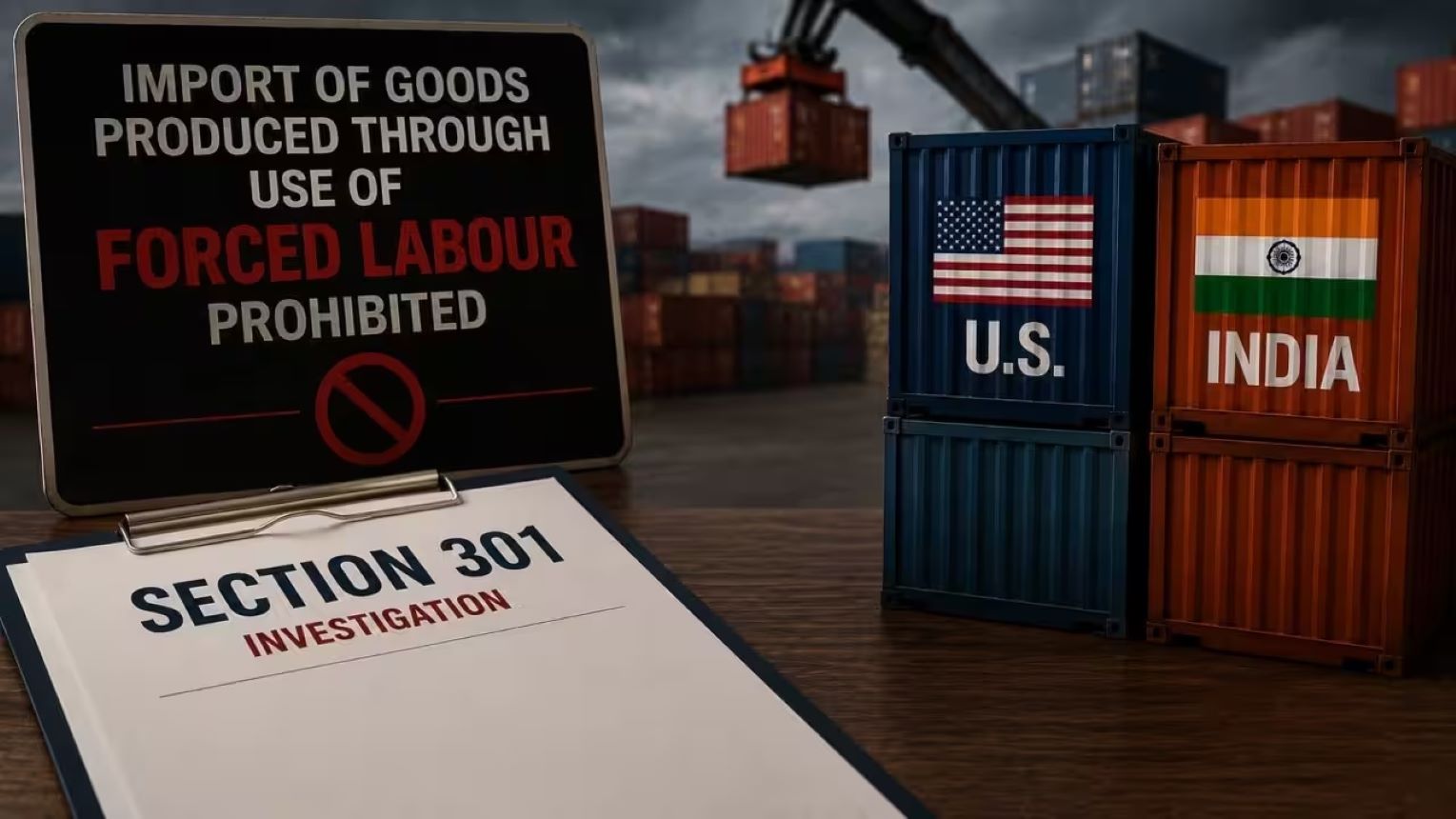
The Government of India has amended the Foreign Trade
Policy (FTP), 2023 to prohibit the import of goods that are wholly or partially
produced using forced labour. The measure marks a significant step towards
strengthening ethical trade practices, protecting human rights, and aligning
India's trade framework with internationally accepted labour standards.
More on the News
¨
A new Paragraph has been
inserted in the FTP, 2023, prohibiting the import of goods produced or
manufactured, wholly or partly, through the use of forced labour.
¨
The amendment has been
notified by the Directorate General of Foreign Trade (DGFT) and will come into
force 30 days after its publication in the Official Gazette.
¨
The Central Government
has been empowered to prohibit the import of specified goods where an enquiry
or other relevant material establishes that they have been produced using
forced labour.
¨
The procedure for
conducting such enquiries has been prescribed through the insertion of a new
paragraph in the Handbook of Procedures (HBP), 2023, under which the DGFT may
initiate enquiries suo motu or based on credible information or complaints.
¨
The amendment also
defines “forced labour” in accordance with the ILO Forced Labour Convention,
1930 (Convention No. 29).
Why has India introduced this amendment
now?
¨
Forced labour remains a
significant concern in global supply chains, prompting several countries to
strengthen import regulations and supply chain due diligence requirements.
¨
The United States,
European Union and other major economies have introduced measures to restrict
market access for goods linked to forced labour, increasing compliance
expectations for exporters.
¨
Against this backdrop,
India has introduced a domestic legal framework under the FTP, 2023 to prohibit
imports of goods produced using forced labour and align its trade regime with
evolving global standards on ethical trade.
Key Features of the Amendment
¨
Comprehensive Import
Prohibition: The prohibition covers goods produced or manufactured wholly or
partly through the use of forced labour.
¨
Internationally Aligned
Definition: Forced labour is defined as all work or service exacted from any
person under the menace of any penalty and for which the person has not offered
himself or herself voluntarily, consistent with the ILO Forced Labour
Convention, 1930.
¨
Investigation and
Enforcement: The DGFT may conduct enquiries suo motu or on the basis of
credible complaints or information. Based on the findings or other relevant
material, the Central Government may notify specified goods whose import will
be prohibited.
¨
Prospective
Implementation: The amendment will take effect 30 days after publication in the
Official Gazette, providing time for importers to ensure compliance.
Significance
¨
Promotes Ethical and
Responsible Trade: Prevents the import of goods linked to exploitative labour
practices and reinforces responsible business conduct.
¨
Aligns with International
Labour Standards: Harmonises India’s trade policy with the ILO Forced Labour
Convention, 1930, reflecting globally accepted labour rights principles.
¨
Improves Regulatory
Enforcement: Empowers the Government to investigate and prohibit imports linked
to forced labour, strengthening enforcement against unethical trade practices.
¨
Strengthens India’s
Position in Global Trade: Aligns India’s trade framework with evolving
international expectations on ethical sourcing and responsible supply chains,
enhancing its credibility in trade negotiations and export markets.
 Series with Base Year 2022–23.jpg)