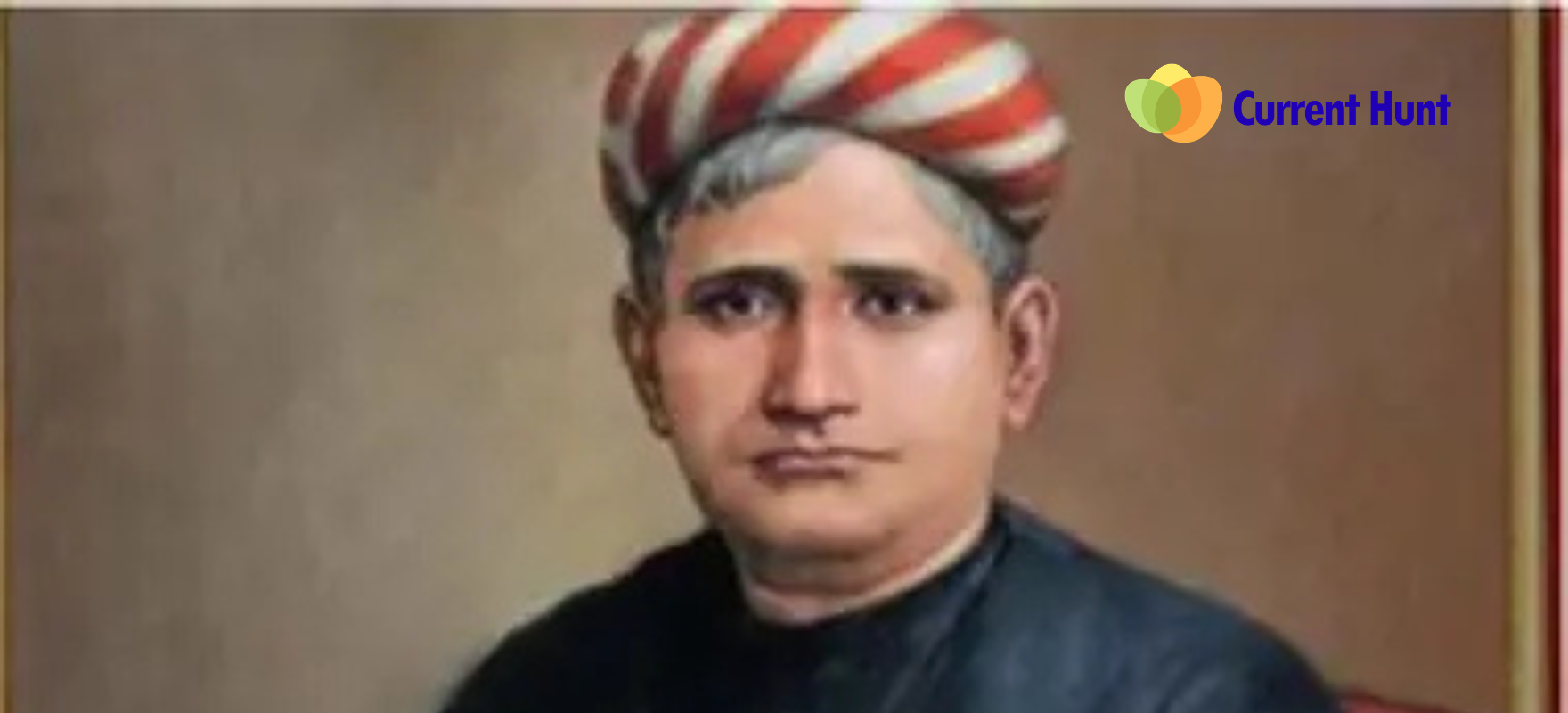
Bankim Chandra Chattopadhyay: The Literary Legend Who Gave India "Vande Mataram"
On the occasion of the 188th birth anniversary of Bankim Chandra Chattopadhyay, Prime Minister Narendra Modi paid heartfelt tributes to one of India's greatest literary icons. The Prime Minister also highlighted that 2026 marks the 150th anniversary of "Vande Mataram," the timeless patriotic song that became the voice of India's freedom struggle.
Bankim Chandra Chattopadhyay was not only a celebrated novelist but also a visionary thinker, social reformer, and one of the strongest cultural voices of the Bengal Renaissance. His writings ignited patriotism and inspired generations of Indians to dream of an independent nation.
Who Was Bankim Chandra Chattopadhyay?
Bankim Chandra Chattopadhyay was born on 26 June 1838 in Kathalpara, Naihati (present-day North 24 Parganas district of West Bengal) into a traditional Brahmin family.
He completed his education at Hooghly College, Presidency College, and the University of Calcutta, where he became one of the institution's earliest graduates. His academic brilliance later helped him secure a position in the British administration.
In 1858, he joined the British Government as a Deputy Magistrate, serving for more than three decades before retiring in 1891. During his service, he also earned a Law degree in 1869.
Despite serving under British rule, Bankim used literature as a powerful tool to awaken national consciousness among Indians.
Father of Modern Bengali Literature
Bankim Chandra Chattopadhyay is widely regarded as the Father of Modern Bengali Prose Fiction. Before his arrival, Bengali literature lacked structured modern novels. He revolutionized Bengali writing by combining:
- Historical narratives
- Romance
- Philosophy
- Social reform
- Patriotism
- Cultural identity
His literary style laid the foundation of the modern Bengali novel and deeply influenced future literary giants such as Rabindranath Tagore and Sarat Chandra Chattopadhyay.
Philosophy and Intellectual Vision
Bankim believed that Indian and Western civilizations should complement each other rather than compete. He strongly opposed the blind imitation of Western culture while encouraging Indians to embrace scientific thinking, rationality, and critical interpretation of their own philosophical traditions. His writings reflected:
- National pride
- Rational interpretation of Hindu scriptures
- Social responsibility
- Moral values
- Intellectual awakening
Bangadarshan: A Turning Point in Bengali Literature
In 1872, Bankim Chandra founded the influential Bengali literary magazine Bangadarshan. The journal became one of the most respected literary platforms of its time and encouraged several young writers to emerge. Among those inspired by its literary standards was Rabindranath Tagore, who later became India's first Nobel Laureate in Literature.
Literary Career and Famous Books
Bankim Chandra initially wrote poems and essays before entering the world of fiction. His first English novel, Rajmohan's Wife (1864), holds historical importance as the first English novel written by a Bengali author. Some of his most celebrated literary masterpieces include:
- Durgeshnandini (1865)
- Kapalkundala (1866)
- Mrinalini (1869)
- Krishnakanter Will (1878)
- Anandamath (1882)
- Devi Chaudhurani (1884)
- Sitaram (1886)
- Krishna Charitra
These works explored themes such as nationalism, social reform, morality, religion, history, and Indian identity.
Vande Mataram: India's National Song
The greatest contribution of Bankim Chandra Chattopadhyay to Indian nationalism is undoubtedly Vande Mataram. The song first appeared in his famous novel Anandamath (1882). During India's freedom movement, it became a powerful slogan against British rule and inspired countless revolutionaries and freedom fighters.
Important Facts about Vande Mataram
- First published in Anandamath (1882)
- Symbol of India's national awakening
- Inspired freedom fighters across the country
- Adopted as India's National Song by the Constituent Assembly on 24 January 1950
- 2026 marks the 150th anniversary of Vande Mataram
Even today, the song continues to symbolize patriotism, unity, and national pride.
Anandamath and the Spirit of Nationalism
The novel Anandamath is based on the Sannyasi Rebellion of the late eighteenth century. Through this work, Bankim transformed literature into an instrument of national awakening. The novel inspired generations of Indians by portraying courage, sacrifice, and devotion to the motherland, making Vande Mataram a rallying cry during the independence movement.
Social and Intellectual Contributions
Apart from nationalism, Bankim Chandra also focused on social reform. His writings discussed several pressing issues of society, including:
- Women's role in society
- Widow remarriage
- Social customs
- Morality
- Ethical conduct
- Cultural values
His work Krishna Charitra presented Lord Krishna through historical and rational analysis rather than relying solely on mythology, demonstrating his commitment to reason-based scholarship.
Enduring Legacy of Bankim Chandra Chattopadhyay
Bankim Chandra Chattopadhyay remains one of India's greatest literary personalities. His enduring legacy includes:
- Pioneer of modern Bengali prose fiction
- Composer of India's National Song Vande Mataram
- Leading figure of the Bengal Renaissance
- Champion of Indian nationalism
- Inspiration for freedom fighters
- Promoter of rational thought and social reform
- Revered as "Sahitya Samrat" (Emperor of Literature)
His writings continue to inspire students, scholars, historians, and citizens with the values of patriotism, cultural pride, and intellectual freedom.
Conclusion
Bankim Chandra Chattopadhyay's contribution extends far beyond literature. Through his novels, essays, and the immortal song Vande Mataram, he awakened India's national consciousness during one of the country's most challenging periods. As India celebrates the 150th anniversary of Vande Mataram in 2026, his life and works remind us that literature has the power to shape history, inspire revolutions, and unite a nation.
For competitive exam aspirants, understanding Bankim Chandra's life, literary achievements, and role in India's freedom movement remains an essential part of modern Indian history and culture.
Quick Revision Points (For UPSC, SSC, PCS & Other Exams)
|
Particular |
Details |
|
Full Name |
Bankim Chandra
Chattopadhyay |
|
Birth |
26 June 1838 |
|
Birthplace |
Kathalpara, Naihati,
West Bengal |
|
Profession |
Novelist, Poet, Essayist, Deputy
Magistrate |
|
Known As |
Father of Modern
Bengali Prose Fiction |
|
Literary Journal |
Bangadarshan (1872) |
|
First English
Novel |
Rajmohan's Wife (1864) |
|
Most Famous Novel |
Anandamath (1882) |
|
National Song |
Vande Mataram |
|
Adopted as
National Song |
24 January 1950 |
|
Death |
8 April 1894 |
|
Honorific Title |
Sahitya Samrat |