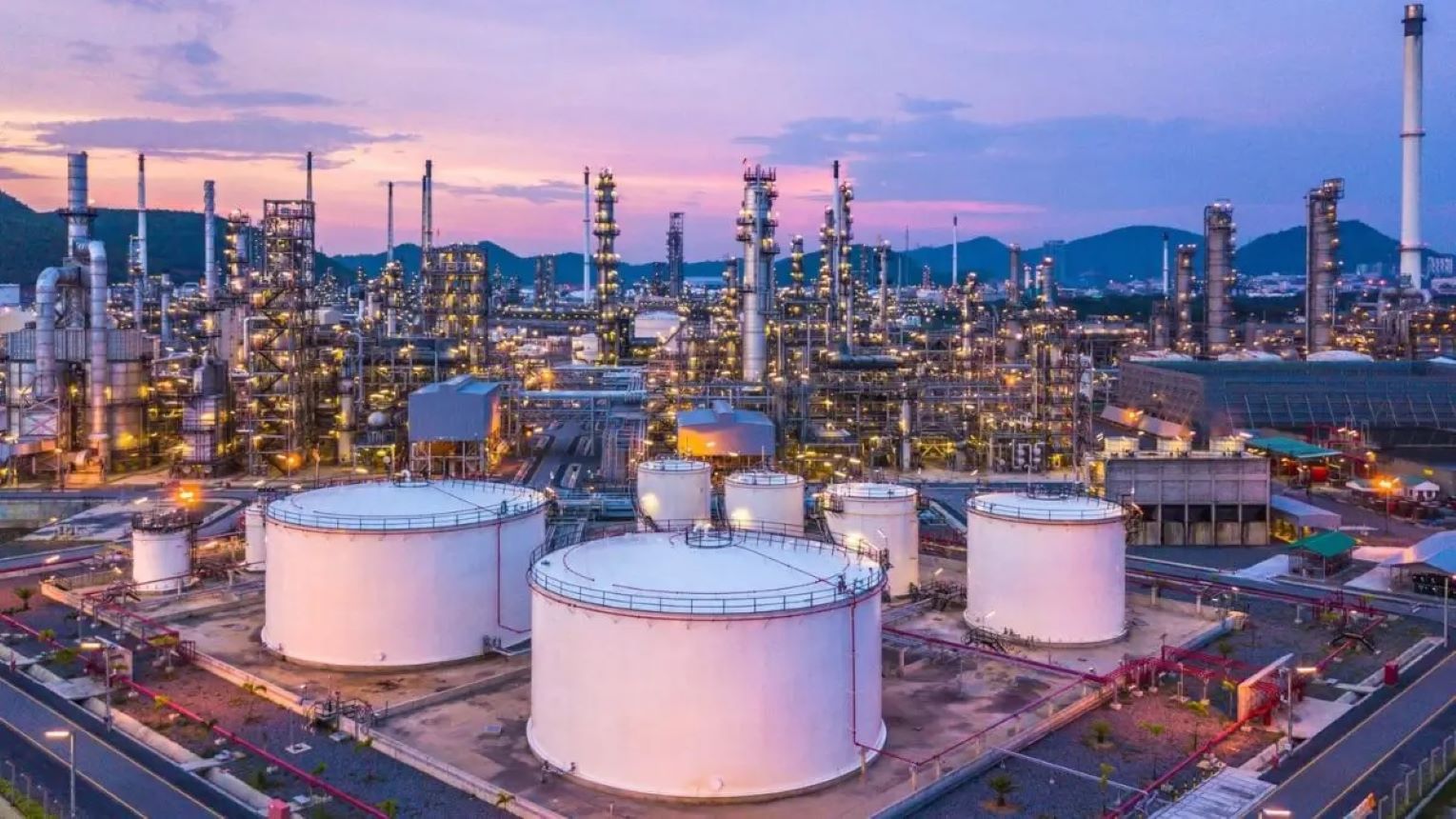
BHAVYA Rasayan Scheme: Transforming
India's Chemical and Petrochemical Manufacturing Ecosystem
The Union Cabinet has approved the Bharat Industrial
Development Scheme for Chemicals (BHAVYA Rasayan) with the objective of
strengthening India's chemical and petrochemical sector through the
establishment of three world-class Chemical Parks equipped with modern shared
infrastructure. The scheme aims to enhance domestic manufacturing, attract
investments, reduce import dependence, and position India as a major global hub
for chemicals and petrochemicals.
Bharat Audyogik Vikas Yojana Rasayan
(BHAVYA Rasayan) Scheme
¨
Announced in: Union
Budget 2026–27 as a Central Sector Scheme.
¨
Implementing Period: FY
2026–27 to FY 2030–31 (5 years).
¨
Total Financial
Outlay:₹3,030 crore
¨
₹3,000 crore for
developing common infrastructure and basic utilities.
¨
₹30 crore for
administrative expenditure.
¨
Objective: To establish
three dedicated Chemical Parks with plug-and-play common infrastructure and
basic utilities for promoting investment, domestic manufacturing and
competitiveness of India’s chemical industry.
Financial Assistance:
¨
Central grant of up to
₹1,000 crore per Chemical Park.
¨
Subject to a minimum
contribution of ₹500 crore by the respective State Government.
¨
Selection of Parks:
Through a Challenge Route among States.
Land Requirement:
¨
Minimum 8 sq. km. (2,000
acres) of contiguous, encumbrance-free land for each park.
¨
Parks may be Greenfield
or Brownfield, depending on the proposal of the State Government.
¨
Estimated Investment:
Each park is expected to attract ₹20,000–50,000 crore of investments, while the
Central assistance is limited to common infrastructure.
Common Infrastructure Facilities:
¨
Common Effluent Treatment
Plant (CETP).
¨
Treatment, Storage and
Disposal Facility (TSDF).
¨
Hazardous Waste
Management infrastructure.
¨
Water supply and
distribution systems.
¨
Solvent recovery and
distillation facilities.
¨
Steam generation and
distribution network.
¨
Interconnected pipeline
network.
¨
Logistics and warehousing
facilities.
.Benefits of the Scheme
¨
Strengthens the Chemical
Industry Ecosystem: Promotes the development of upstream, downstream and
ancillary industries, enabling efficient resource utilisation and reducing
logistics costs.
¨
Enhances Global
Competitiveness and Self-Reliance: Shared common infrastructure improves cost
competitiveness, strengthens India’s integration into Global Value Chains
(GVCs), boosts exports, supports import substitution, and promotes Atmanirbhar
Bharat by enhancing domestic production capacity.
¨
Attracts Investments and
Generates Employment: Encourages domestic and foreign investments, creates
large-scale direct and indirect employment, and stimulates growth in downstream
industries.
¨
Promotes Sustainable Industrial
Development: Establishes a centralized environmental infrastructure—including
Common Effluent Treatment Plants (CETP), Treatment, Storage and Disposal
Facilities (TSDF), and hazardous waste management systems—to ensure better
environmental compliance.
¨
Creates a Multiplier
Effect Across the Economy: Strengthens key sectors such as agriculture,
textiles, pharmaceuticals, nutraceuticals, construction, automobiles and
electronics, contributing to the vision of Viksit Bharat @2047.