Borjuli Wild Rice Habitat in Assam
Declared a Biodiversity Heritage Site
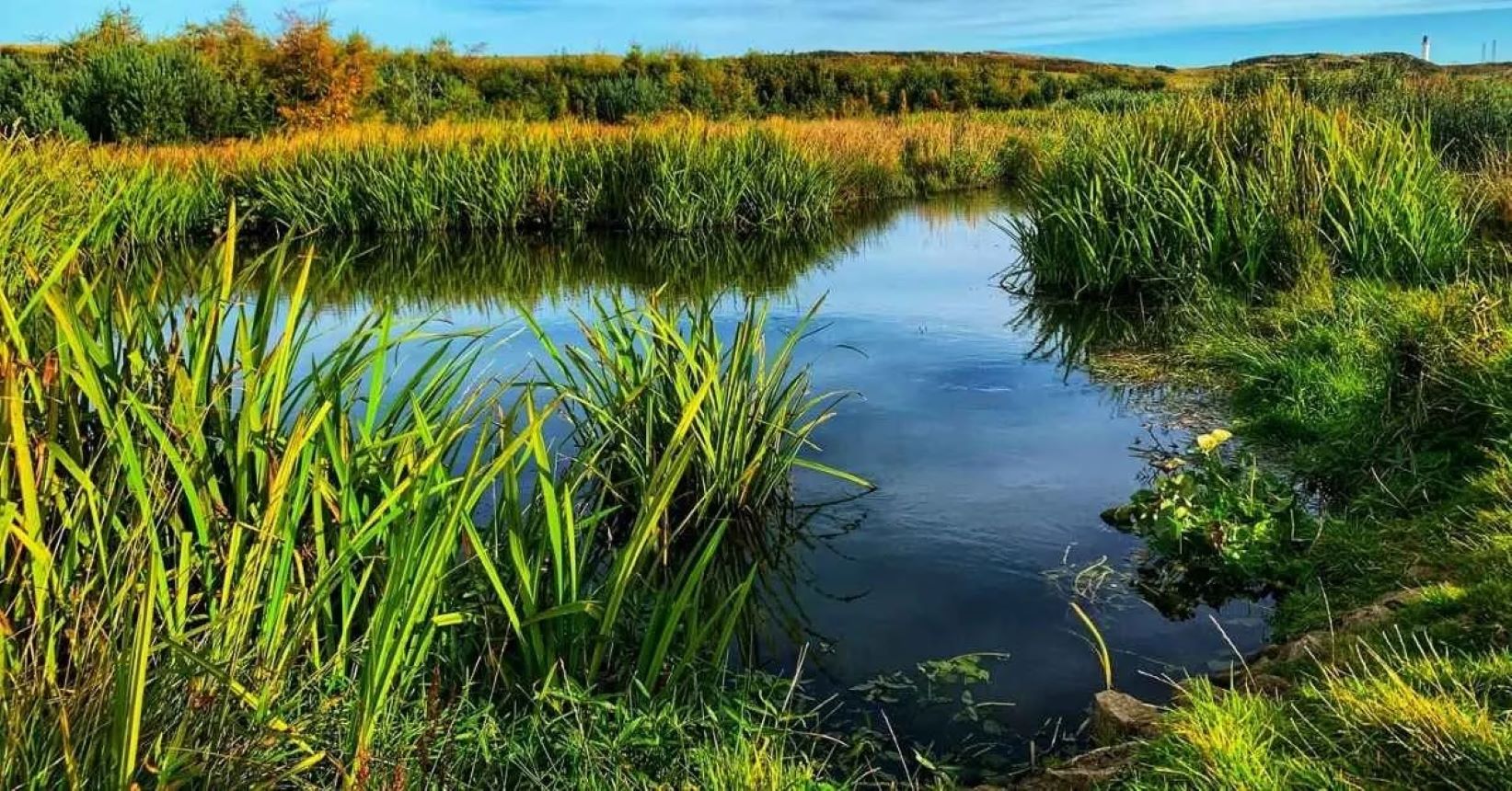
The Borjuli Wild Rice Habitat, located in Sonitpur
district of Assam, has been notified as a Biodiversity Heritage Site (BHS).
This landmark decision marks a significant milestone in the conservation of
India's wild rice genetic resources, which are crucial for ensuring future food
security, climate-resilient agriculture, and biodiversity conservation. The
notification provides legal protection to this unique ecosystem and its
valuable wild rice populations.
Biodiversity Heritage Site
¨
A Biodiversity Heritage
Site (BHS) is a well-defined area that possesses unique ecological, biological,
genetic, cultural, or aesthetic value. Such sites are identified for the
conservation of rich biodiversity, rare and threatened species, and valuable
genetic resources.
¨
Under Section 37 of the
Biological Diversity Act, 2002, State Governments, in consultation with the
State Biodiversity Board and local bodies, may notify Biodiversity Heritage
Sites for long-term conservation.
Borjuli Wild Rice Habitat
¨
The Borjuli Wild Rice
Habitat is one of India's important natural habitats of wild rice species,
which are considered the wild relatives of cultivated rice. These species
possess unique genetic traits that are invaluable for agricultural research and
crop improvement.
¨
The habitat serves as a
natural reservoir of genetic diversity and supports the conservation of rare
plant species along with associated wetland ecosystems.
Importance of Wild Rice
¨
Wild rice is regarded as
an invaluable source of genetic material for improving cultivated rice
varieties. It contains genes that can help develop rice capable of withstanding
future environmental challenges.
Its major characteristics include
¨
Resistance to pests and
diseases
¨
Tolerance to drought and
floods
¨
Salinity tolerance
¨
Adaptation to climate
change
¨
Improved nutritional
characteristics
Enhanced resilience under extreme
environmental conditions
¨
These genetic traits are
essential for developing climate-smart and high-yielding rice varieties.
Objectives of Declaring the Site as a BHS
The notification aims to:
¨
Conserve India's wild
rice genetic resources.
¨
Protect unique wetland
ecosystems.
¨
Preserve agricultural
biodiversity.
¨
Promote scientific
research and plant breeding.
¨
Encourage sustainable use
of biological resources.
¨
Strengthen community
participation in biodiversity conservation.
Significance of the Decision
The declaration of Borjuli as a
Biodiversity Heritage Site is expected to:
¨
Strengthen conservation
of wild rice germplasm.
¨
Support the development
of climate-resilient rice varieties.
¨
Enhance India's food and
nutritional security.
¨
Protect ecologically
important wetland habitats.
¨
Promote sustainable
agriculture and biodiversity conservation.
¨
Contribute to India's commitments
under international biodiversity agreements, including the Convention on
Biological Diversity (CBD).
Legal Framework
The declaration has been made under:
¨
Biological Diversity Act,
2002
¨ Section 37 – Notification of Biodiversity Heritage Sites by State Governments.
¨ Implemented in consultation with the State Biodiversity Board and local self-governments.
 report for 2022-23 and 2023-24.jpg)