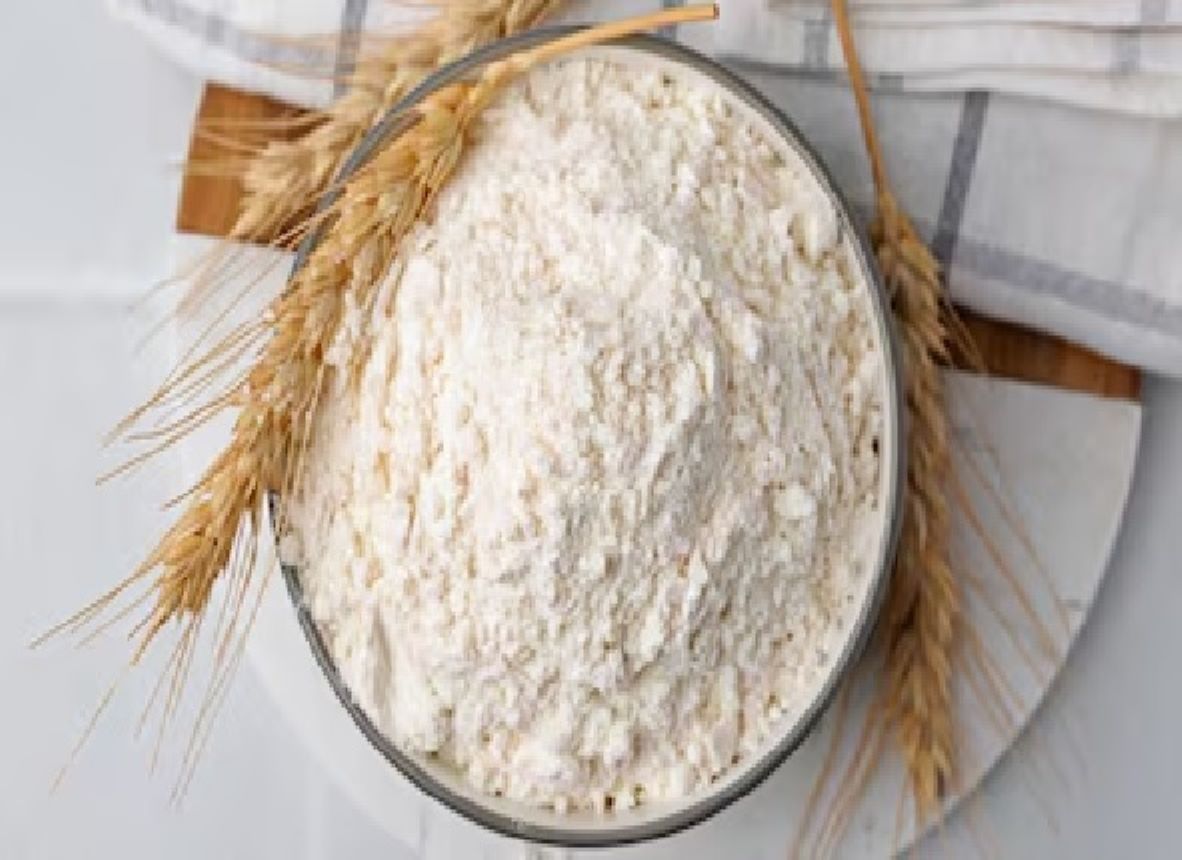
India changed the export policy for wheat,
durum wheat and related wheat flour products from “Prohibited” to “Free
¨
India changed the export
policy for wheat, durum wheat and related wheat flour products from
“Prohibited” to “Free” on 24 August 2026.
¨
The policy change came
into effect immediately.
¨
The revised policy covers
maida, semolina (rava/suji), wholewheat atta and resultant atta.
¨
Restrictions on wheat
exports had been in force since 13 May 2022.
¨
Restrictions on wheat
flour products had been in force since August 2022.
¨
The Directorate General
of Foreign Trade (DGFT) issues export-related notifications under India’s
foreign trade framework.
¨
In export policy
terminology, “Prohibited” means exports are not permitted.
¨
“Free” means exports are
permitted without a specific ban, subject to other applicable laws and procedures.
¨
Wheat is one of India’s
major cereal crops.
¨
Durum wheat is a hard
wheat variety mainly used for pasta and certain flour blends.
¨
Maida is refined wheat
flour.
¨
Semolina is also known as
rava or suji.
¨
Atta is wholewheat flour
commonly used to prepare chapatis, rotis and other flatbreads.
¨
The policy change
followed a record foodgrain production of 376.563 million tonnes in the 2025–26
crop year.
¨
India’s wheat export
policy is closely linked to domestic availability, public distribution
requirements and retail price management.
¨
The earlier export
restrictions were introduced in 2022 amid global food-market disruptions
following the Russia-Ukraine war.
¨
With a population of
around 1.4 billion, India has a large domestic requirement for wheat.
¨
Wheat is a major staple
food, particularly in northern and central India.