India Commissions First 1,000-Metre
Geothermal Wells at Puga Valley, Ladakh
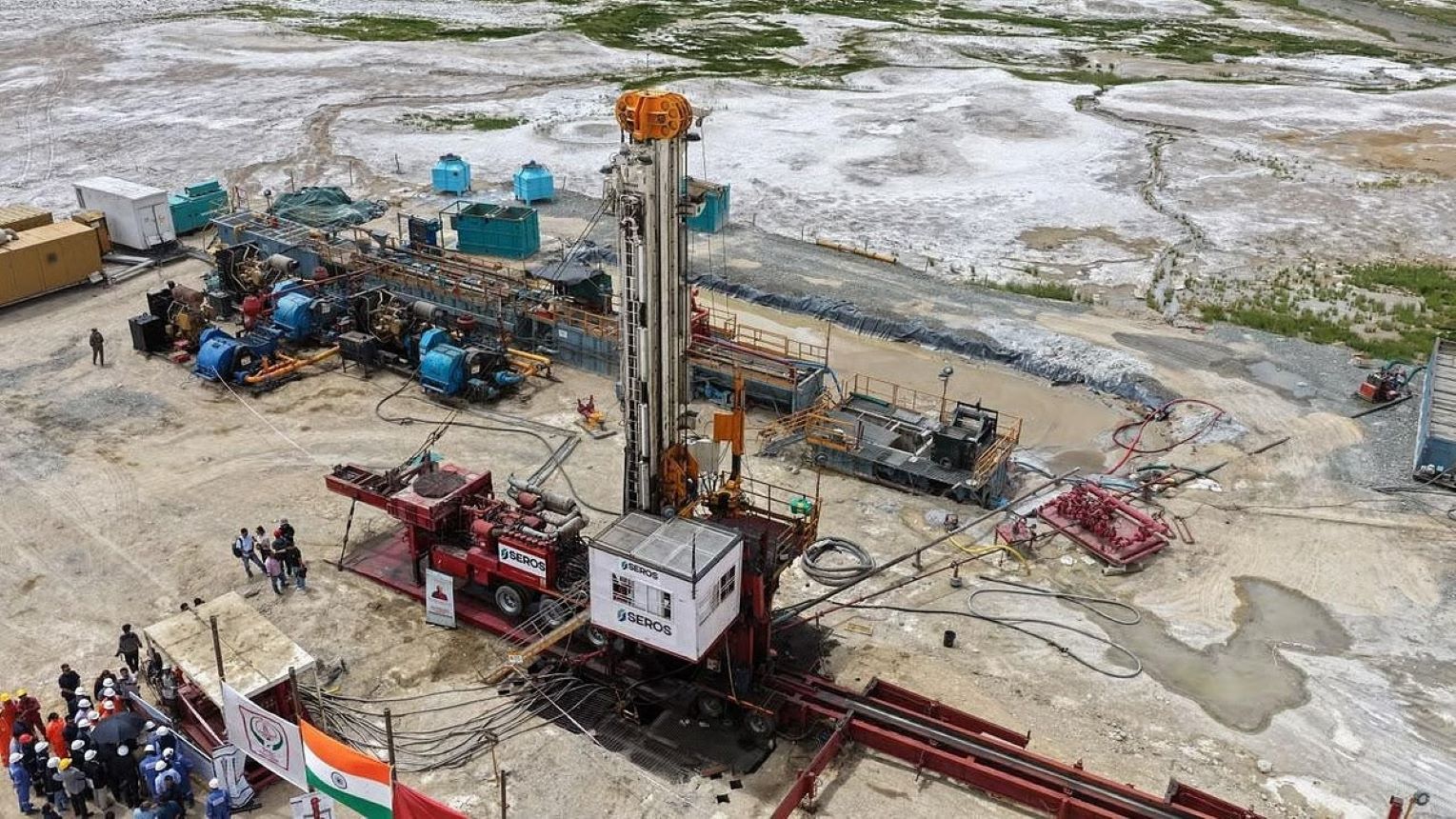
India has achieved a major milestone in its clean
energy journey by commissioning the country's first and deepest 1,000-metre
geothermal wells at Puga Valley in Ladakh. The development lays the foundation
for India's first 1 MW demonstration-scale geothermal power project,
representing a significant step towards diversifying the country's renewable
energy mix and enhancing energy security.
What is Geothermal Energy?
¨
Geothermal energy is a
renewable source of energy derived from the heat stored beneath the Earth's
surface. It utilizes naturally occurring reservoirs of hot water and steam to
generate electricity or provide direct heating.
¨
Unlike solar and wind
power, geothermal energy is available 24×7 and is not affected by weather
conditions, making it a reliable source of baseload power.
Puga Valley: India's Geothermal Hub
¨
Puga Valley, located in
the Ladakh Union Territory, lies within the Himalayan geothermal belt and is
one of India's most promising geothermal resource regions. The area is
characterized by hot springs, steam vents, and high underground temperatures,
making it suitable for geothermal exploration and power generation.
¨
The successful drilling
of 1,000-metre-deep geothermal wells marks India's deepest geothermal
exploration to date and is expected to provide critical scientific and
technical data for future commercial geothermal projects.
Significance of the 1 MW Demonstration
Project
The demonstration-scale project aims to:
¨
Assess the technical and
economic feasibility of geothermal power generation in India.
¨
Develop indigenous
expertise in geothermal drilling and reservoir management.
¨
Promote clean and
reliable energy for remote Himalayan regions.
¨
Reduce dependence on
diesel-based electricity generation in high-altitude areas.
¨
Support decentralized and
sustainable energy infrastructure.
Advantages of Geothermal Energy
¨
Provides continuous 24×7
baseload power.
¨
Produces very low
greenhouse gas emissions.
¨
Requires comparatively
less land than many other renewable energy sources.
¨
Suitable for electricity
generation, district heating, greenhouse cultivation, and industrial
applications.
¨
Reduces dependence on
imported fossil fuels and strengthens energy security.
Challenges
¨
High initial exploration
and drilling costs.
¨
Geological uncertainty
regarding the size and sustainability of geothermal reservoirs.
¨
Limited technical
expertise and infrastructure in India.
¨
Environmental concerns
such as induced seismicity and management of geothermal fluids.
¨
Need for supportive
policies and private sector participation.