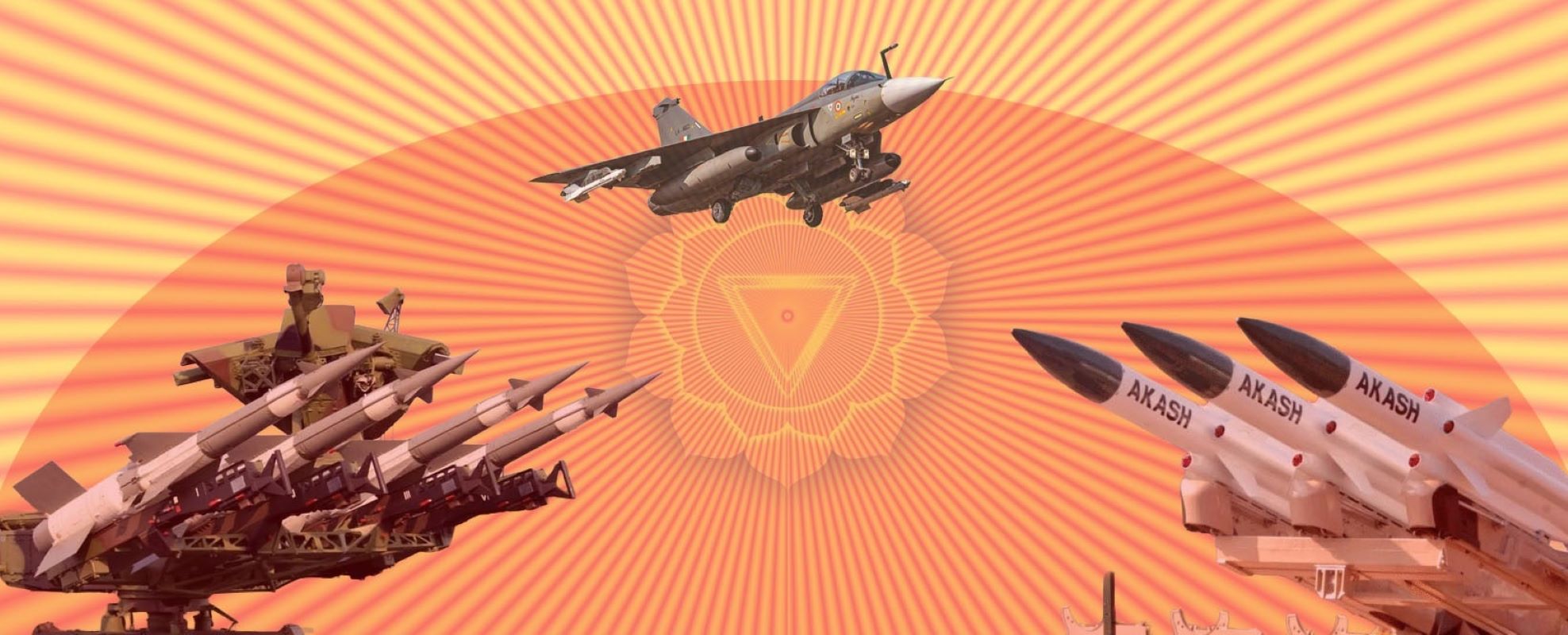
India has strengthened its indigenous
multi-layer missile defence programme under Mission Sudarshan Chakra through a
series of missile tests and new defence infrastructure developments
¨
India has strengthened
its indigenous multi-layer missile defence programme under Mission Sudarshan
Chakra through a series of missile tests and new defence infrastructure
developments in 2026.
¨
The programme covers
ballistic missile defence, air defence, and anti-ship warfare systems for
military and strategic installations.
¨
Ballistic Missile Defence
(BMD) is a system designed to detect, track, intercept, and destroy incoming
ballistic missiles before they reach their targets.
¨
India’s evolving missile
defence architecture includes interceptor missiles designed to counter
Intermediate-Range Ballistic Missiles (IRBMs).
¨
IRBMs are ballistic
missiles with ranges between 2,000 km and 5,000 km.
¨
The Defence Research and
Development Organisation conducted three consecutive missile flight tests on 10
and 11 June 2026.
¨
These trials validated
technologies related to India’s multi-layered ballistic missile defence
architecture and anti-ship warfare capabilities.
¨
Two advanced interceptor
missiles were successfully tested from the Integrated Test Range.
¨
The tests demonstrated
the effectiveness of India’s interceptor systems against ballistic missile
threats.
¨
The Naval Anti-Ship
Missile–Medium Range (NASM-MR) successfully completed its maiden flight trial
from a naval platform on 10–11 June 2026.
¨
NASM-MR is an indigenous
medium-range anti-ship missile developed for naval operations.
¨
The trial evaluated key
performance parameters, including navigation capability and terminal accuracy.
¨ Navigation and terminal accuracy assessments are standard elements of missile testing and validation.
¨ The successful trials mark significant progress in enhancing India’s self-reliance in defence technology and strengthening its strategic deterrence capabilities.

 programme, Storm Fighter.jpg)