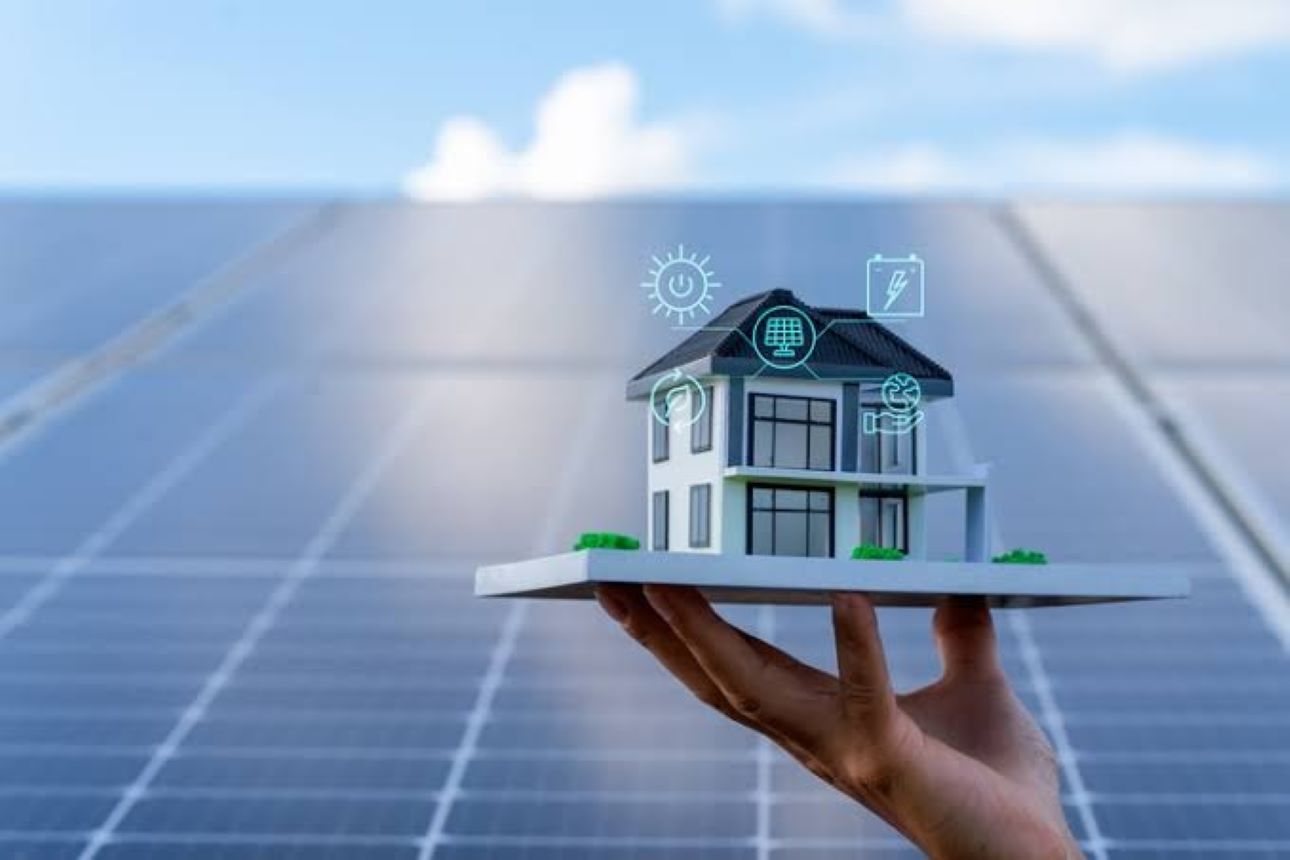
PM Surya Ghar: 50.06 Million Residential
Rooftop Solar Systems Installed
Under the PM Surya Ghar: Muft Bijli Yojana, 50.06
million (5.006 million) residential rooftop solar power systems have been
installed across India. This milestone reflects the rapid expansion of
residential rooftop solar energy and the successful implementation of the
scheme to promote clean and renewable energy.
The scheme aims to increase the adoption of rooftop
solar systems in households, reduce electricity expenses, strengthen energy
self-reliance, and lower dependence on conventional energy sources. Eligible
households receive financial assistance through government subsidies, making
rooftop solar installations more affordable and accessible.
PM Surya Ghar: Free Electricity Scheme
¨
Launch: Launched by the
Ministry of New and Renewable Energy (MNRE) on February 13, 2024.
¨
Total Outlay: ₹75,021
crore.
¨
Target: To equip 1 crore
households with solar power by March 2027, providing up to 300 units of free
electricity per month through rooftop solar plants.
¨
Coverage: A demand-driven
scheme open to all domestic consumers with grid-connected electricity
connections.
¨
Objective: To promote the
adoption of rooftop solar energy to reduce electricity bills, strengthen
domestic energy security, and accelerate India's clean energy transition.
Key Features
¨
Central financial
assistance (subsidy) of up to 40% of the cost for installing rooftop solar
plants is provided via Direct Benefit Transfer (DBT), subject to a maximum cap
of ₹78,000.
¨
Collateral-free
concessional loans are available at an interest rate of 5.75% (Repo rate + 50
basis points) through the 'Jan Samarth' platform.
¨
The entire process—from
application to subsidy disbursement—is 100% online via the national portal.
¨
Subsidy is typically
released within 15 days of plant installation and commissioning, facilitated by
integration with the Public Financial Management System (PFMS).
¨
Automatic approval,
exemption from technical feasibility requirements, and automatic load
enhancement facilities are available for rooftop solar systems up to 10 kW.
¨
Transparent and smooth
implementation is ensured through digital net-metering agreements, API
integration with over 80 electricity distribution companies (DISCOMs), a vendor
evaluation system, and DCR portal integration.
¨
Application and
net-metering fees have been waived by 32 states and Union Territories.
Key Components
¨
Discom-based Aggregation
Model: This model facilitates the adoption of rooftop solar energy among
beneficiaries of the Pradhan Mantri Awas Yojana, families living below the
poverty line (BPL), and Scheduled Caste/Scheduled Tribe (SC/ST) households.
¨
Under this model, the
installation of 1.6 lakh systems has been completed across four states, and
implementation has been approved in 12 states.
¨
Model Solar Village: The
scheme aims to establish a 'Model Solar Village' in every district, with a
total budgetary provision of ₹800 crore.
¨
An incentive of ₹1 crore
is awarded to the best-performing village in each district to encourage the
adoption of decentralized renewable energy.
Significance of the PM Surya Ghar: Muft
Bijli Yojana
¨
Rapid Expansion of
Residential Rooftop Solar: The scheme has surpassed the milestone of installing
50.06 lakh rooftop solar systems, with an operational capacity of 14.8 GW. The
pace of installation has increased 3.2-fold, and currently, approximately 1
lakh new households are joining the scheme every six days.
¨
Household Savings and
Income Generation: Around 19 lakh households are receiving zero-cost
electricity bills, while over 12 lakh households earned ₹421 crore in the
2024–25 financial year by selling surplus electricity. This resulted in an
additional annual income of approximately ₹3,500 per household.
¨
Boosting Green Growth and
Employment: The scheme has fostered a comprehensive rooftop solar ecosystem
nationwide, comprising 34,219 registered vendors (including 29,469 active
vendors). Over 2.32 lakh individuals have been trained under the initiative,
and it is expected to generate approximately 17 lakh direct jobs. Promoting
Energy Security and Clean Energy Transition: By fostering decentralized rooftop
solar power, equipping 1.06 lakh government buildings with solar energy
systems, and targeting an additional 30 GW of rooftop solar capacity, this
scheme strengthens domestic energy security and accelerates India's clean
energy transition.
¨
Supporting India's
Climate Commitments: The scheme contributes to India's goal of achieving 500 GW
of non-fossil fuel-based power capacity by 2030. It also supports the
achievement of the net-zero emissions target by 2070, in line with the
'Panchamrit' commitments and the updated Nationally Determined Contributions
(NDCs) under the Paris Agreement.