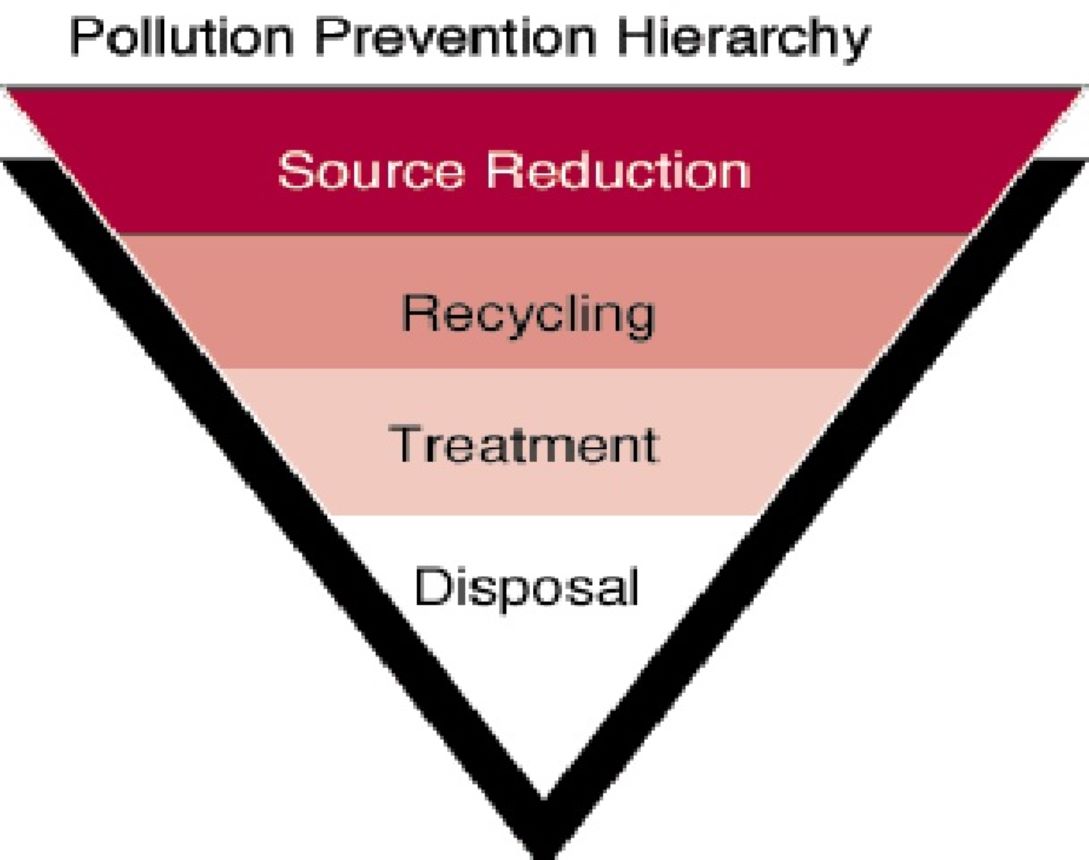
Proactive Strategy for Pollution Control
The approval of the revised Graded Response Action
Plan (GRAP) by the Commission for Air Quality Management (CAQM) is an important
step towards tackling winter air pollution in Delhi-NCR. The revised framework
aims to initiate pollution-control measures before air quality reaches critical
levels, rather than waiting for severe pollution to occur.
Role of the Commission for Air Quality
Management
¨
The Commission for Air
Quality Management is a statutory body responsible for coordinating policies
and measures to control air pollution in Delhi-NCR and adjoining areas.
¨
Since air pollution in
the National Capital Region is not confined to Delhi alone, regional
coordination among different states and government agencies is essential.
Understanding the Graded Response Action
Plan (GRAP)
About GRAP
¨
GRAP is an emergency
response mechanism to prevent further deterioration of air quality across the
National Capital Region (NCR) through progressively stricter pollution-control
measures.
¨
Evolution: Approved by
the Supreme Court in 2016, it was first notified by the Ministry of
Environment, Forest and Climate Change (MoEFCC) in January 2017, based on
recommendations of the Central Pollution Control Board (CPCB).
¨
Implementation: Initially
implemented by the Environment Pollution (Prevention and Control) Authority
(EPCA), GRAP is now overseen by CAQM, a statutory body established under the
CAQM Act, 2021.
How Does GRAP Work?
¨
GRAP operates through
four stages, determined by Delhi’s average Air Quality Index (AQI), with
forecasts of air quality and meteorological conditions also informing its
invocation.
¨
It is cumulative in
nature: measures under earlier stages continue when a higher stage is invoked.
Institutional Framework
¨
CAQM coordinates GRAP
implementation through the CPCB, State Pollution Control Boards, Delhi
Pollution Control Committee, State governments, municipal bodies and other
enforcement agencies.
¨
Its regional approach is
important because Delhi-NCR pollution arises from multiple sources, including
vehicles, construction dust, industries, waste and biomass burning, compounded
by adverse winter meteorological conditions.
Key Changes in the Revised GRAP Schedule
¨
Earlier Pollution-Control
Measures: Restrictions relating to diesel generator sets and entry of older
inter-state buses have been shifted from Stage II to Stage I, enabling action
before air quality deteriorates further. Repeated measures concerning dust,
waste management and transport have also been consolidated.
¨
Stricter Vehicular
Restrictions: Restrictions on older petrol and diesel four-wheelers have been
extended to additional NCR areas.
¨
Further, exemptions
previously available to older goods vehicles carrying essential commodities
have been withdrawn under Stages III and IV, tightening entry restrictions
during severe pollution episodes.
¨
Expanded Dust-Control
Monitoring: Mandatory web-portal-based registration and monitoring of
dust-control measures at eligible construction and demolition sites have been
extended beyond municipal limits to cover additional urban, development and
industrial areas.
¨
Revised Action Schedule:
The updated GRAP comprises 48 actions distributed across four stages, with an
expanded Citizens’ Charter prescribing additional Do’s and Don’ts for residents
and stakeholders.
Significance of the Revision
¨
Earlier Intervention:
Moving selected restrictions to lower GRAP stages reflects an effort to control
emissions before pollution reaches severe levels.
¨
Source-Specific
Regulation: Greater emphasis on vehicular emissions, generator sets and
construction dust allows more targeted action against identifiable pollution
sources.
¨
Regional Approach: Wider
application of restrictions across NCR recognises that air pollution transcends
administrative boundaries and requires coordinated action.
¨
Limits of Emergency
Measures: Although GRAP addresses acute pollution episodes, sustained
improvement requires year-round emission reduction through cleaner transport,
industrial regulation, waste management and other structural interventions.
Persistent Challenges in Delhi-NCR
Air-Quality Management
¨
Multi-source Pollution:
The interaction of vehicular emissions, industrial activities, construction
dust, biomass burning and unfavourable winter conditions complicates
pollution-control efforts.
¨
Enforcement Gaps:
Effective implementation depends on continuous monitoring, institutional
capacity and compliance across multiple sectors and jurisdictions.
¨
Inter-state Coordination:
Pollution sources extend beyond Delhi’s administrative boundaries,
necessitating coordinated regional action among NCR States.
¨
Seasonal Dependence:
Repeated reliance on emergency restrictions cannot adequately address
persistent emissions arising from urbanisation, transport demand and industrial
activities.