Union Cabinet Approves PM Surya Sarovar
Yojana
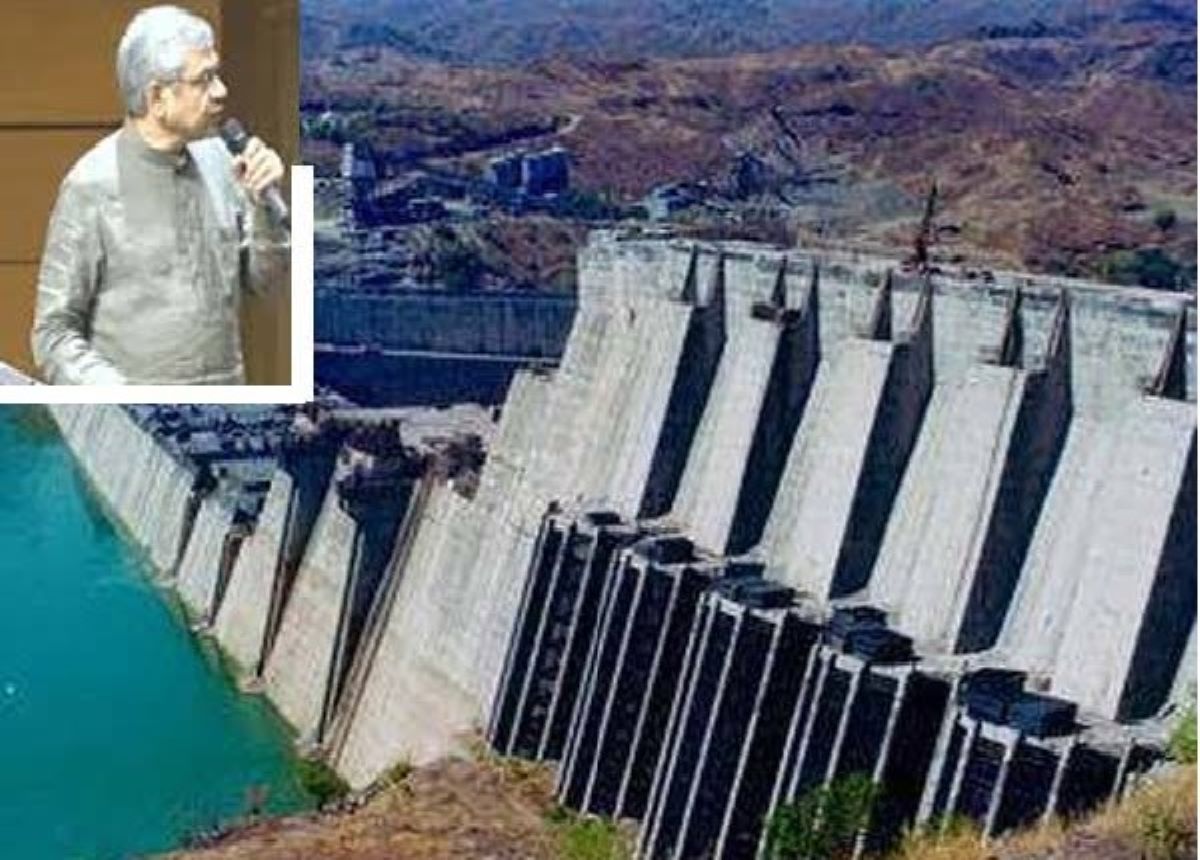
Union Cabinet has approved the Prime Minister Surya
Sarovar Yojana (PM-SSY) with a total outlay of ₹5,070 crore. The scheme aims to
develop 5,000 MW of Floating Solar Photovoltaic (FSPV) projects integrated with
Energy Storage Systems (ESS).Under the scheme, floating solar power plants will
be installed on reservoirs, dams, lakes, and other water bodies to expand
India's renewable energy capacity without requiring large tracts of land. The
integration of Energy Storage Systems will enable reliable power supply by
storing excess electricity generated during peak sunlight hours and supplying
it when solar generation is low.
Floating Solar Photovoltaic (FSPV) Plant
¨
A FSPV Plant is a solar
power system installed on reservoirs, lakes, irrigation tanks, industrial ponds
and other inland water bodies instead of land.
¨
Solar panels are mounted
on floating platforms anchored with mooring systems to withstand changing water
levels and weather conditions.
¨
Electricity generated is
transmitted to the grid through underwater or floating cables connected to
substations.
¨
Floating solar reduces
land requirement, lowers water evaporation, and improves panel efficiency due
to the cooling effect of water.
Pradhan Mantri Surya Sarovar Yojana
(PM-SSY)
¨
Nodal Ministry: Ministry
of New and Renewable Energy (MNRE).
¨
Total Outlay: ₹5,070
crore
¨
Objective: To promote
large-scale deployment of Floating Solar Photovoltaic (FSPV) Projects
integrated with Energy Storage Systems (ESS) across reservoirs and other inland
water bodies.
¨
Target: Development of
5,000 MW of Floating Solar Photovoltaic Projects with a minimum 2-hour Energy
Storage System (10,000 MWh).
¨
Implementing Period: FY
2026–27 to FY 2030–31, with financial assistance disbursement up to FY 2032–33.
¨
Central Financial
Assistance (CFA): ₹1 crore per MW for eligible Floating Solar PV projects after
successful commissioning. Up to ₹50 lakh per project for feasibility studies,
including: Bathymetry studies ,Hydrography assessments ,Environmental studies
¨
Other preparatory
activities for project de-risking. Nationwide Coverage: Applicable to all
States and Union Territories. Efficient Land Utilisation: Promotes renewable
energy generation without requiring additional land acquisition.
¨
Reduces competition for
scarce land resources by using existing water bodies.
Need and Significance of the Scheme
¨
Harnesses India’s Vast
Floating Solar Potential: The National Institute of Solar Energy (NISE) has
estimated a floating solar potential of about 102.18 GWp across reservoirs and
other inland water bodies, while the current installed floating solar capacity
is only around 700 MW.
¨
Addresses Land
Constraints: Utilises existing reservoirs, dams, canals and industrial ponds
for solar power generation, eliminating the need for additional land
acquisition and reducing competition for scarce land resources.
¨
Strengthens Grid
Reliability: The mandatory Energy Storage System (ESS) with a minimum two-hour
storage capacity (10,000 MWh) enables renewable energy generated during the day
to be supplied during peak demand and helps reduce renewable energy
curtailment.
¨
Boosts Renewable Energy
and Climate Goals: The scheme will add 5,000 MW of floating solar capacity,
contribute to India’s renewable energy capacity addition, support the 500 GW
non-fossil fuel capacity target by 2030, Net Zero by 2070, and reduce around 10
million tonnes of CO₂ emissions annually.
¨
Promotes Employment and
Atmanirbhar Bharat: Expected to generate approximately 16,000–17,000 full-time
equivalent employment opportunities while promoting domestic manufacturing of
floatation systems, photovoltaic cells, modules and Energy Storage Systems.
¨
Promotes Sustainable
Utilisation of Water Resources: Facilitates productive use of reservoirs and
other inland water bodies for clean energy generation, supporting sustainable
resource management and the vision of Viksit Bharat.