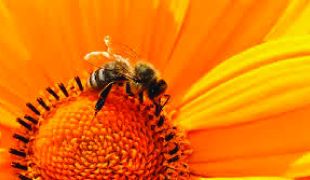
World Bee Day 2026 and Growing Concerns
Over Declining Bee Populations
¨
World Bee Day is observed
every year on 20 May.
¨
The day aims to raise
awareness about the role of bees and other pollinators in agriculture,
biodiversity and ecosystems.
¨
In 2026, serious concerns
were raised globally regarding declining bee populations, colony losses,
climate change and the impact of pesticides.
¨
Experts warn that failure
to protect pollinators could seriously affect global food security and the
environment.
¨
Bees are among the
world’s most important pollinators.
¨
They play a vital role in
pollinating flowering plants and food crops.
¨
Around 90% of wild
flowering plant species depend on pollinators.
¨
Nearly 75% of the world’s
food crops rely on pollination for production and quality.
¨
Pollination also helps
maintain ecological balance and healthy ecosystems.
¨
A decline in bee
populations can negatively affect the production of fruits, vegetables and
seeds.
¨
Major causes behind the
decline in bee populations include habitat loss, excessive pesticide use,
climate change and diseases.
¨
Microplastics, light
pollution and chemical mixtures used in agriculture are also emerging threats
to bees.
¨
Neonicotinoid pesticides
are considered particularly harmful to pollinators.
¨
Thiamethoxam is one such
pesticide that has faced restrictions from the European Union since 2018.
¨
Despite restrictions,
some countries have continued to allow its emergency use.
¨
In the United States,
commercial beekeepers reported an average loss of 62% of bee colonies between
June 2024 and March 2025.
¨
This has been described
as the largest bee loss event in U.S. history.
¨
Agricultural experts
estimate that bees contribute nearly 15 billion dollars in added crop value to
U.S. agriculture.
¨ According to a report by Greenpeace Africa, around 40% of insect pollinators in Africa are under threat.
¨ The report stated that many registered pesticides in Ghana, Kenya and South Africa are toxic to bees.