New Tiger Moth Species Antaram idukki Discovered in Kerala's Western Ghats: Complete Current Affairs Notes
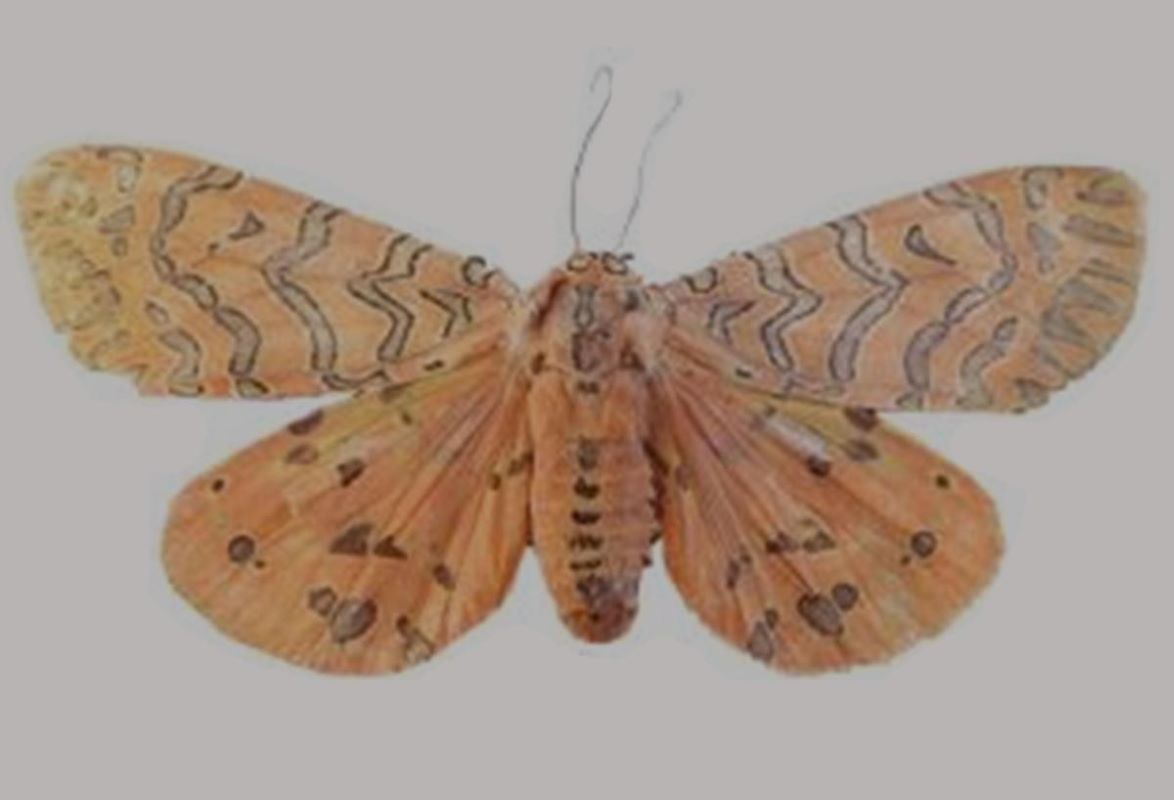
India's rich biodiversity has once again attracted global scientific attention. Researchers have discovered a new genus and species of tiger moth named Antaram idukki in Kerala's ecologically significant Western Ghats. The discovery highlights the region's extraordinary wildlife diversity and emphasizes the urgent need for habitat conservation.
The finding is particularly important for environmental science, biodiversity conservation, and competitive examinations such as UPSC, SSC, Banking, Railways, CDS, and State PSC.
Why is Antaram idukki in the News?
In June 2026, scientists identified a previously unknown tiger moth belonging to a completely new genus in Idukki district of Kerala. The species has been officially named Antaram idukki, marking a significant addition to India's insect biodiversity.
Its scientific description has been published in the prestigious Journal of the Lepidopterists' Society, making the discovery internationally recognized.
About Antaram idukki
Antaram idukki belongs to the subfamily Arctiinae under the family Erebidae, a group that includes many colorful tiger moths known for their striking wing patterns.
The newly established genus Antaram is currently represented by only one known species—Antaram idukki—making it scientifically unique.
The genus derives its name from the Sanskrit word "Antaram," meaning "difference", symbolizing the species' distinct characteristics that separate it from previously known tiger moths.
How Scientists Identified the New Species
Researchers confirmed that Antaram idukki is different from all previously known tiger moths through detailed taxonomic studies. The identification was based on:
- Unique wing coloration and pattern
- Distinct antenna structure
- Specialized genital morphology
- Several external anatomical features
In moth taxonomy, genital morphology plays a crucial role because many closely related species appear visually similar.
The Western Ghats: A Global Biodiversity Treasure
The discovery once again underlines the ecological importance of the Western Ghats, one of the world's most important biodiversity hotspots. Stretching across:
- Kerala
- Karnataka
- Tamil Nadu
- Maharashtra
- Goa
the mountain range supports thousands of endemic plant and animal species, many of which are found nowhere else on Earth.
Scientists continue to discover new insects, reptiles, amphibians, and flowering plants from this region every year.
What are Tiger Moths?
Tiger moths belong to the insect order Lepidoptera, the same order that includes butterflies. They are generally known for:
- Bright and colorful wing patterns
- Hairy bodies
- Important ecological roles as pollinators
- Contribution to healthy forest ecosystems
- Serving as indicators of biodiversity
Despite their importance, many tiger moth species remain poorly studied.
Why is the Discovery Important?
The discovery of Antaram idukki is significant because it demonstrates that India's forests still hold numerous undiscovered species. It also:
- Expands scientific understanding of insect diversity.
- Highlights the ecological richness of the Western Ghats.
- Strengthens the need for biodiversity conservation.
- Encourages further taxonomic and ecological research.
- Provides valuable information for future conservation planning.
Conservation Concerns Scientists have described Antaram idukki as an extremely rare species. Several challenges remain:
- Its larval host plant is still unknown.
- Its complete life cycle has not yet been documented.
- Habitat degradation poses a serious threat to its survival.
Conservationists stress that protecting forest habitats is essential before such rare species disappear.
Another Important Moth Discovery in 2026
Interestingly, June 2026 witnessed another remarkable discovery.
Scientists from the Zoological Survey of India (ZSI), Pune identified a new forester moth species named Mimeusemia kali from Kali Tiger Reserve in Karnataka.
The species was described in the international journal Zootaxa and became the first new addition to the genus Mimeusemia in nearly three decades, reflecting India's continuing contribution to global biodiversity research.
Recent Progress in Moth Diversity Research
India has recently recorded several remarkable discoveries related to moth diversity.
One of the most significant achievements came in November 2025, when researchers documented 90 previously unrecorded moth species in Maharashtra's Melghat region, increasing the district's total known moth diversity to 250 species.
These discoveries indicate that India's forest ecosystems continue to reveal new species through systematic scientific exploration.
Key Facts for Competitive Exams
|
Topic |
Important Facts |
|
Species |
Antaram idukki |
|
Discovery |
June 2026 |
|
Location |
Idukki district,
Kerala |
|
Biodiversity
Region |
Southern Western Ghats |
|
Family |
Erebidae |
|
Subfamily |
Arctiinae |
|
Order |
Lepidoptera |
|
Scientific Journal |
Journal of the Lepidopterists'
Society |
|
Genus Meaning |
"Difference"
(Sanskrit) |
|
Conservation
Status |
Extremely rare; habitat
degradation is a concern |
|
Another Discovery |
Mimeusemia kali (Karnataka) |
|
Discovering
Institution |
Zoological Survey of India
(ZSI), Pune |
Prelims Quick Revision Points
- Antaram idukki is a new genus and species of tiger moth.
- It was discovered in Idukki district, Kerala.
- The species belongs to the family Erebidae and subfamily Arctiinae.
- The Western Ghats is recognized as one of the world's major biodiversity hotspots.
- The genus name Antaram comes from Sanskrit and means "difference."
- The moth is currently known only from Idukki.
- Scientists have not yet identified its larval host plant.
- Habitat destruction remains the biggest conservation challenge.
- Another new moth species, Mimeusemia kali, was discovered in Karnataka in June 2026.
- Maharashtra's Melghat region recorded 90 additional moth species in 2025.
Conclusion
The discovery of Antaram idukki demonstrates that India's biodiversity remains far from fully explored. Every new species enriches scientific knowledge and reinforces the importance of conserving fragile ecosystems such as the Western Ghats.
For competitive exam aspirants, this development is highly relevant under Environment & Ecology, Biodiversity, Species Discovery, and Current Affairs, making it an important topic for revision as well as future examinations.
 under the Ramsar Convention.jpg)