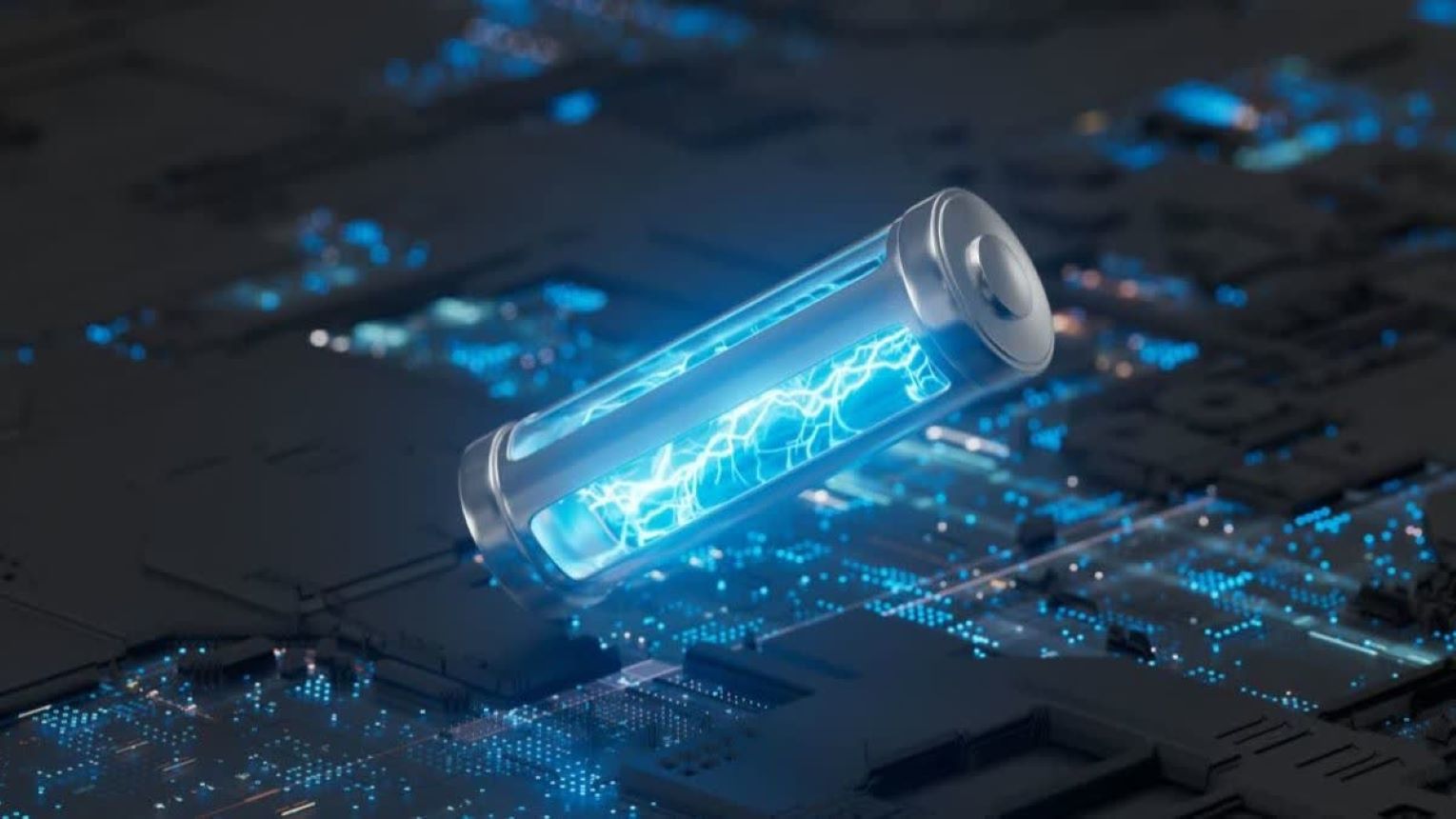
India Advances Indigenous Zinc-Air Battery
Technology
¨
Indian researchers
developed multiple zinc-air battery technologies during 2024 and 2025,
including low-cost electrolytes, advanced catalysts, and mechanically
rechargeable systems.
¨
Zinc-air batteries use
zinc as the anode and oxygen from the air as the cathode reactant.
¨
They are being explored
as an alternative to lithium-ion batteries for stationary energy storage and
electric vehicles (EVs).
¨
Zinc-air batteries belong
to the metal-air battery category and generate electricity through the
oxidation of zinc and the reduction of oxygen from the air.
¨
A typical zinc-air
battery consists of a zinc anode, an air cathode, and an electrolyte, with
aqueous (water-based) electrolytes commonly used in rechargeable designs.
¨
These batteries offer
high theoretical energy density, use abundant and low-cost zinc, and have the
potential to reduce dependence on critical minerals such as lithium.
¨
A research team led by
Dr. S. Devaraj at SASTRA Deemed University, with support from the Department of
Science and Technology (DST), developed a nanofluid electrolyte for
rechargeable zinc-air batteries.
¨
The electrolyte uses
silica and zinc oxide nanoparticles and remained stable for more than three
months under laboratory conditions.
¨
The same team also
developed a copper-doped manganese dioxide catalyst and produced battery-grade
carbon materials by recycling discarded household water-filter carbon and used
surgical face masks.
¨
Researchers at IIT
Madras, led by Dr. Aravind Kumar Chandiran, are developing mechanically
rechargeable zinc-air batteries for electric vehicles.
¨ Hindustan Zinc Limited signed an MoU with IIT Madras on 9 October 2024 to develop a 1 kWh electrically rechargeable zinc-air battery prototype.
¨ The prototype uses water-based electrolytes and contains no flammable materials, making it a safer and more environmentally friendly energy storage technology.
.jpg)