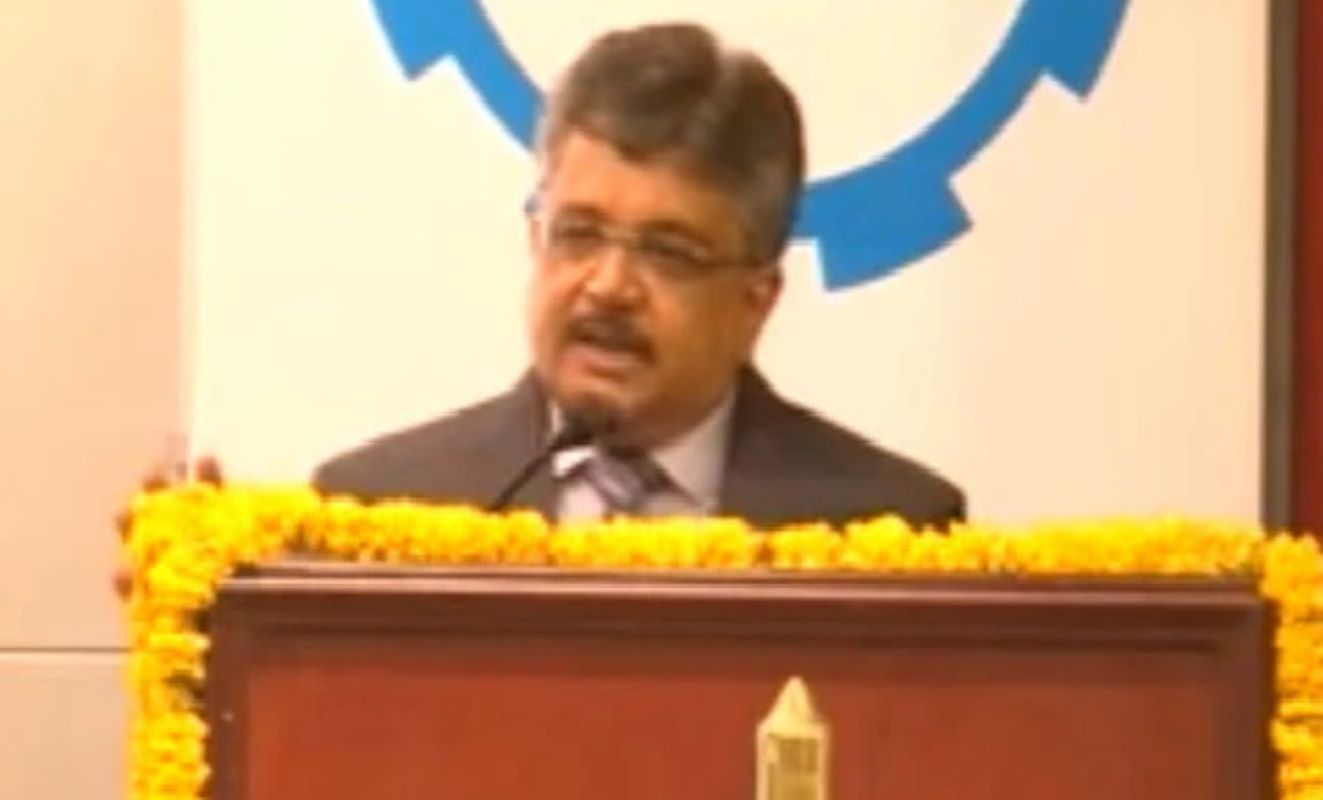
Rajya Sabha MP Raghav Chadha has been
appointed as the new Chairperson of the Rajya Sabha Committee on Petitions
¨
Rajya Sabha MP Raghav
Chadha has been appointed as the new Chairperson of the Rajya Sabha Committee
on Petitions.
¨
The Committee on
Petitions is one of the oldest parliamentary committees.
¨
It originated from a
resolution passed in the Council of State on 15 September 1921, which provided
for the creation of a “Committee on Public Petitions” with powers to take
evidence.
¨
In 1933, it was given its
present name, the “Committee on Petitions.”
¨
The Rajya Sabha Committee
on Petitions was first constituted in 1952.
¨
Initially, it consisted
of a Chairperson and four members.
¨
In 1964, its membership
was increased to 10, which continues to this day.
¨
It is a permanent
(standing) committee of the Rajya Sabha.
¨
It is constituted under
Rule 147 of the Rules of Procedure and Conduct of Business in the Council of
States.
¨
Members are nominated by
the Chairman of the Rajya Sabha, who also appoints the Chairperson.
¨
The quorum of the
committee is five members.
¨
The committee is generally
reconstituted every year.
¨
The main function of the
committee is to examine petitions referred to it.
¨
It presents reports to
the House on specific grievances.
¨
It may also recommend
individual relief or broader corrective measures.
¨
The committee has powers
to take evidence and call for documents.
¨
It can obtain comments
from ministries and departments.
¨
It may examine witnesses
and hear petitioners.
¨
It also suggests remedial
measures to address grievances and prevent their recurrence.
¨
Petitions must be
submitted in a prescribed format and written in respectful and restrained
language.
¨
They must include a brief
statement of grievance and prayer, and must be signed or thumb-impressed by the
petitioner.
¨
After the 1964
amendments, petitions are not limited only to bills or pending matters.
¨
They can also be
submitted on matters of general public interest within certain limits.
¨
The procedure involves
prior notice to the Secretary-General by a member.
¨
The Secretariat examines
admissibility.
¨ After approval by the Chairman, the petition is laid on the Table of the House.
¨ It is then referred to the committee without debate.