Union Cabinet Approves Two National Highway Widening Projects in Telangana: Key Facts for Competitive Exams
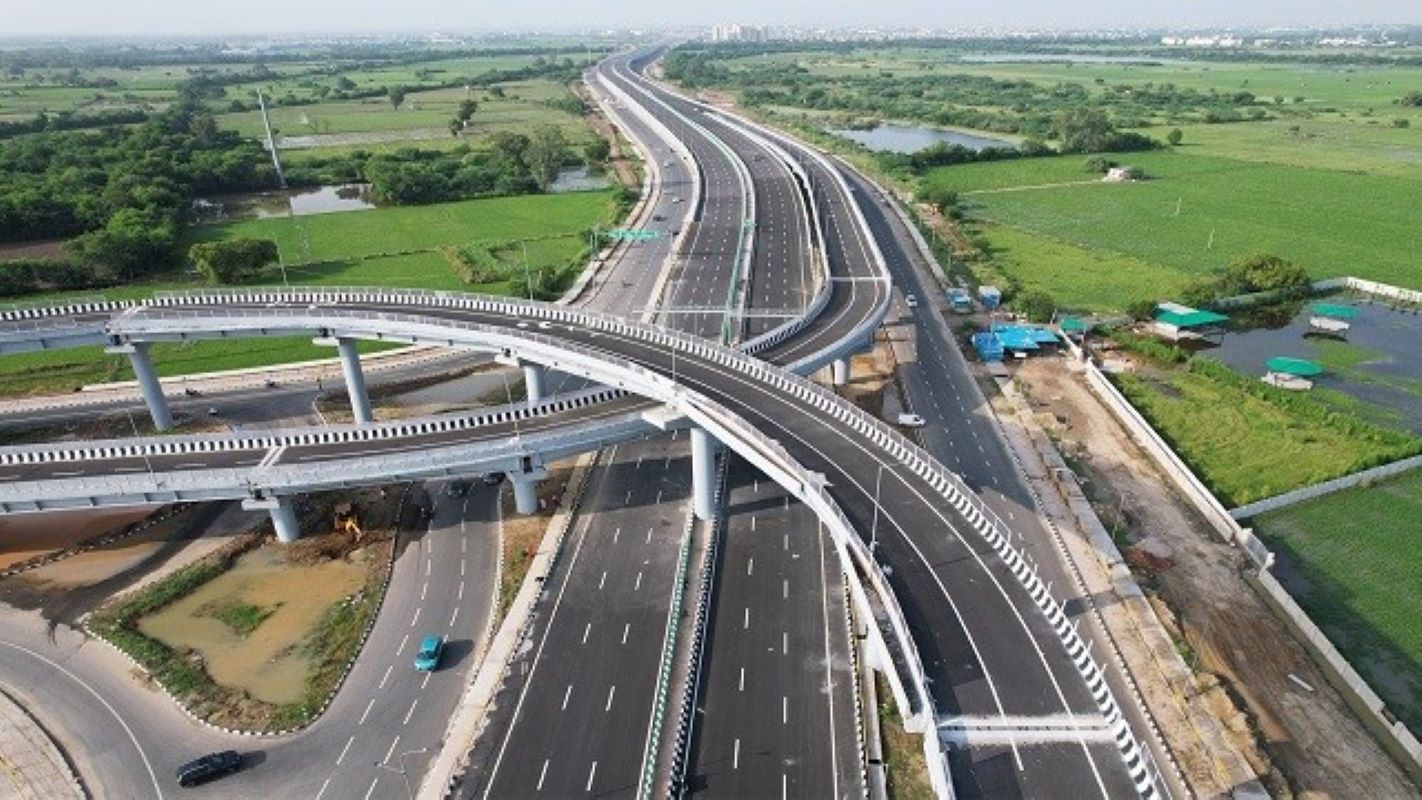
In a significant boost to India's road infrastructure, the Union Cabinet has approved two major national highway widening projects in Telangana. Covering a total length of 190.76 km with an estimated investment of ₹7,597.16 crore, these projects aim to improve regional connectivity, reduce travel time, strengthen logistics, and accelerate economic development.
The highways will be upgraded to four-lane standards and are expected to enhance transportation across several important districts of the state.
Project Highlights
- Union Cabinet approves two national highway widening projects in Telangana.
- Total project length: 190.76 km.
- Total estimated cost: ₹7,597.16 crore.
- Both highway sections will be upgraded to four-lane roads.
- Designed for a maximum speed of 100 km/h.
- Urban bypasses will be constructed to ease city traffic.
- A modern tolling system will be introduced for smoother vehicle movement.
- The projects are expected to improve freight movement, road safety, and regional connectivity.
National Highway Sections Approved
- Armur–Jagityal–Mancherial Section of NH-63: The NH-63 project will be developed under the Hybrid Annuity Model (HAM), a Public-Private Partnership (PPP) model that shares project costs and risks between the government and private developers.
- Jagityal–Karimnagar Section of NH-563: The NH-563 project will be executed under the Build-Operate-Transfer (BOT-Toll) model, where the private concessionaire constructs, operates, maintains, and recovers investment through toll collection before transferring the project back to the government.
Districts Covered by the Project
The highway expansion will directly benefit the following districts of Telangana:
- Nizamabad
- Jagityal
- Mancherial
- Karimnagar
Improved road infrastructure is expected to support industrial growth, agricultural transportation, tourism, trade, and employment opportunities across these regions.
What is the Hybrid Annuity Model (HAM)?
The Hybrid Annuity Model (HAM) is a widely used Public-Private Partnership (PPP) model for highway development in India.
Key Features
- The government bears approximately 40% of the project cost during construction.
- The remaining 60% is financed by the private developer.
- The government repays the private partner over a fixed period after project completion.
- The model reduces financial risk while ensuring timely execution of infrastructure projects.
What is the Build-Operate-Transfer (BOT) Model?
The Build-Operate-Transfer (BOT) model is a concession-based framework commonly used for infrastructure projects.
Under this model:
- A private company constructs the highway.
- It operates and maintains the road for a specified concession period.
- Investment is recovered through toll collection.
- Ownership is transferred back to the government after the concession period ends.
Several expressways and toll highways in India have been developed using this model.
National Highways Act, 1956
The National Highways Act, 1956 provides the legal framework for the declaration, development, maintenance, and management of National Highways in India.
The Act governs:
- Declaration of National Highways.
- Land acquisition procedures.
- Development and maintenance of highway infrastructure.
- Administrative provisions related to national road networks.
What is Open Tolling?
Open Tolling is an advanced toll collection system designed to improve traffic flow on selected highway stretches. Benefits of Open Tolling
- Faster vehicle movement.
- Reduced waiting time at toll plazas.
- Lower fuel consumption.
- Reduced traffic congestion.
- Increased efficiency through digital toll collection.
Why is This Project Important?
The approved highway projects will:
- Improve interstate and regional connectivity.
- Reduce travel time and transportation costs.
- Strengthen logistics and supply chains.
- Promote industrial and commercial development.
- Enhance road safety through four-lane infrastructure and bypasses.
- Generate employment during construction and maintenance.
Key Facts for Competitive Exams
|
Particular |
Details |
|
State |
Telangana |
|
Total Project
Length |
190.76 km |
|
Estimated Cost |
₹7,597.16 crore |
|
Highways |
NH-63 and NH-563 |
|
Highway Standard |
Four Lane |
|
Design Speed |
100 km/h |
|
NH-63 Model |
Hybrid Annuity Model
(HAM) |
|
NH-563 Model |
Build-Operate-Transfer
(BOT-Toll) |
|
Districts Covered |
Nizamabad, Jagityal,
Mancherial, Karimnagar |
|
Relevant Law |
National Highways Act, 1956 |
Conclusion
The Union Cabinet's approval of the NH-63 and NH-563 widening projects marks another major step toward strengthening India's transportation infrastructure. These projects will enhance connectivity, improve logistics, support economic growth, and create employment opportunities across Telangana.
For competitive exam aspirants, this development is especially important because it covers current affairs, infrastructure development, Public-Private Partnership (PPP) models, and key legislative provisions—all of which are frequently asked in UPSC, SSC, Banking, Railway, and State PSC examinations.